

26.140 - Shifting Capacity
Capacity changes as life changes. This post invites readers to study the evidence of daily life, notice where old assumptions no longer fit, and redirect energy toward what matters now. Through purpose, stewardship, and practical field notes, shifting capacity becomes a way to live with greater alignment and contribution.

26.138 - Adaptive Systems
Adaptation does not come from intensity alone. The body and mind change through repeated signals, sufficient recovery, and enough time for response. This post explores why stress must be paired with restoration and repetition, helping readers apply one gradual change with patience, calibration, and better stewardship of capacity.

26.134: Sustainable Output
Sustainable output asks a sharper question than productivity culture usually allows: what level of effort can be repeated? This post reframes ambition around capacity, recovery, and consistency, helping readers distinguish peak performance from reliable rhythm and define a baseline that keeps meaningful work moving without draining the person doing it.

26.129 - Hidden Drains
Hidden drains are the quiet demands that deplete energy without looking like effort. This post explores how unresolved attention, open loops, digital interruption, emotional monitoring, and everyday friction consume capacity beneath the surface, helping readers identify what they keep carrying and reduce invisible load with greater stewardship.

26.117 - Contribution as Practice
We often treat contribution as isolated moments, waiting for significance before acting. This post reframes contribution as a daily practice shaped through repetition. Drawing on behavioral science and habit formation, it shows how small, consistent actions accumulate into meaningful impact, shifting focus from scale toward sustained engagement and long-term influence.

26.115 - Internal Standards
When feedback disappears, uncertainty rises. Without external signals, effort becomes unstable and direction unclear. This post examines how internal standards replace dependence on response, providing structure, continuity, and clarity. By defining personal criteria for what counts as good work, contribution becomes consistent, measurable, and independent of recognition or immediate validation.

26.108 - Incremental Progress
Progress rarely announces itself. It accumulates beneath perception, in small, compounding increments that feel insignificant in isolation. The absence of visible milestones can mislead you into thinking nothing is happening. In reality, change is building quietly, only becoming obvious in retrospect when enough layers have formed to cross the threshold of recognition.

26.104 - Role, Not Identity
You are not your role but over time, the distinction erodes. This piece examines how identity becomes entangled with function, why external validation reshapes internal perception, and how reclaiming separation restores clarity. When performance stops defining self-worth, a more stable, self-directed identity begins to re-emerge beneath the surface.

26.96 - False Rest (Deconstruction)
When capacity expands, attention still needs direction. This post explores how scattered focus quietly erodes effectiveness, even when energy is available. Clarity emerges not from doing more, but from choosing where attention goes. Direction, not volume, determines whether effort compounds or dissipates across competing demands.

26.93 - The Competence Trap
Competence can become a hidden constraint. What once created momentum begins to enforce repetition, locking you into patterns that no longer serve growth. Precision without adaptability turns strength into limitation. Progress requires recognizing when capability itself is the barrier—and deliberately choosing to step beyond what already works.

26.90 - The Author Function
To stand behind your life is to leave a mark that cannot be denied. Authorship is not intention—it is imprint. Every action presses into reality, shaping what remains. Responsibility is the act of signing what you live, where ownership transforms direction into something concrete, visible, and irrevocably yours

26.89 - Predictability Creates Freedom
Structure is often mistaken for restriction, yet it is the mechanism that makes freedom usable. By reducing decision friction and stabilizing the environment, predictable systems expand what becomes possible. What appears limiting at first becomes the foundation for movement, exploration, and creative range when applied with clarity and consistency over time.

26.88 - Identity Is Follow-Through
Identity is not declared; it is built through what you repeatedly do. Every action leaves a trace, shaping how you think, behave, and respond over time. Follow-through is the mechanism. Consistency is the force. What you practice daily becomes what you are, whether you acknowledge it or not.

26.86 - Self-Trust Is Earned
Confidence is not something you feel before action. It is something you earn after it. Self-trust forms through kept promises, not intention. Each completed commitment becomes evidence. Over time, that evidence compounds into credibility. What you consistently do determines what you are able to believe about yourself.

26.85 - Reliability Is Relational Safety
Reliability is not intensity - it is consistency over time. Predictable behavior reduces uncertainty, lowers vigilance, and creates relational safety. Trust forms not from isolated actions but from stable patterns others can depend on. When your presence becomes consistent, you stop being evaluated and start being trusted without effort.

26.84 - Repair Through Contribution
Trust is not rebuilt through apology, but through observable consistency. This piece reframes repair as a behavioral pattern: repeated, predictable actions that reduce uncertainty over time. Contribution—not intention—restores connection. Reliability becomes the signal others learn to trust, one small, verifiable action at a time.
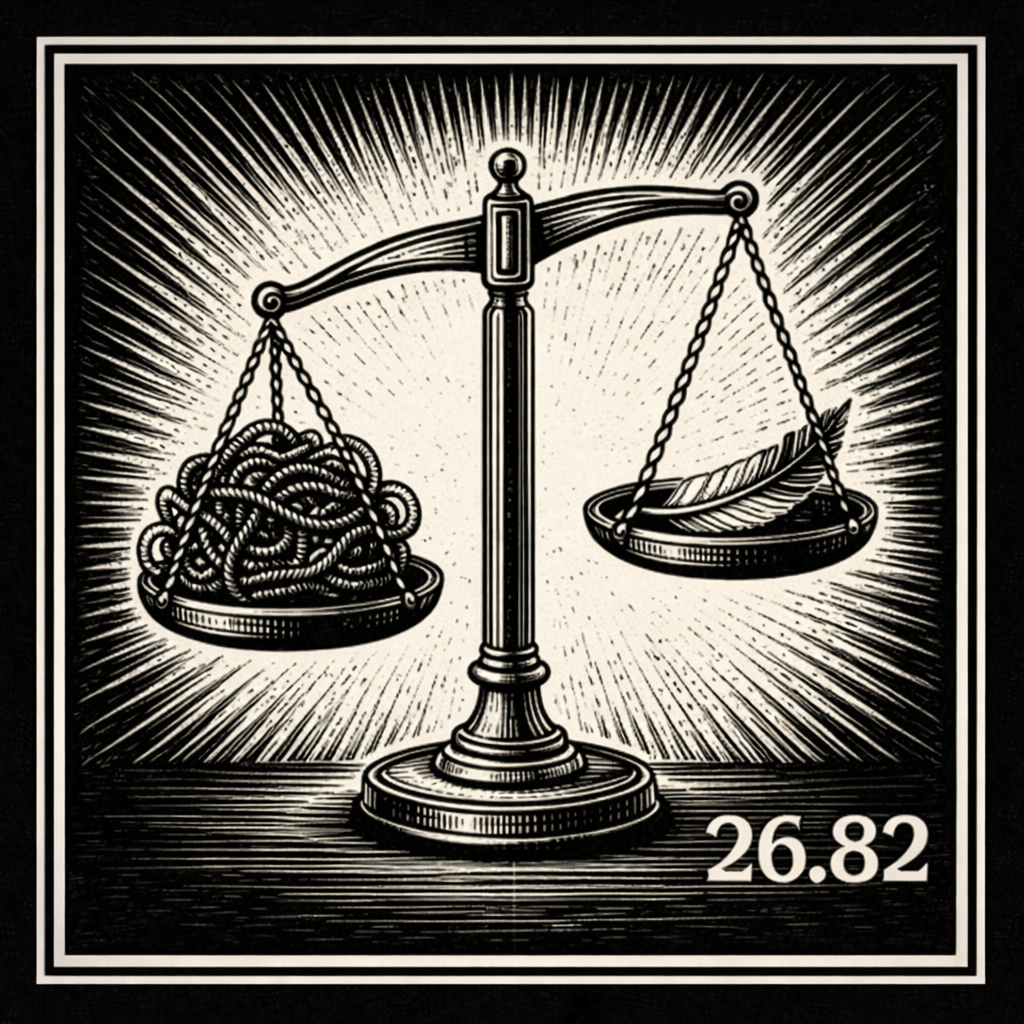
26.82 - Influence vs Control
Responsibility becomes distorted when influence is confused with control. This post examines how over-responsibility emerges, why it persists, and how boundaries restore clarity. By separating what is yours from what is not, effort becomes more effective, relationships become more stable, and energy is directed toward outcomes that can actually be shaped.

26.79 - Long-Term Over Immediate Relief
Most choices do not fail through poor intention but through misaligned optimization. Immediate relief often feels like progress, yet it redirects trajectory. Over time, repeated decisions compound into structure. The question is not what feels better now, but what each choice is building across time and sustained direction.

26.67 - The Fear Under Ownership
Responsibility often feels threatening because many people learn to associate accountability with punishment or shame. This essay explores the psychology behind that reaction and reframes ownership as information rather than verdict. When responsibility becomes a source of clarity instead of judgment, individuals gain a more stable sense of identity and greater agency.

26.65 - Identity Is Repetition
Identity does not appear fully formed. It emerges through repetition. Each small action becomes evidence the mind uses to decide who you are. Over time, habits stabilize into self-concept. This post explores how repeated behavior quietly shapes identity and why lasting change begins with what you practice daily.
Unlock Deeper Understanding.
Elevate Your Perspective.
Join Lucivara and embark on a journey of insight, connection, and transformation. Sign up today to explore thought-provoking reflections, timeless wisdom, and practical ways to cultivate a more conscious and connected life.
Expand Your Mind – Gain deeper clarity on the Tenets of Lucivara.
Engage with Meaning – Access exclusive content designed to challenge and inspire.
Be Part of Something Bigger – Connect with a community of seekers and thinkers.
Your journey toward greater wisdom starts now.
🔹 Sign Up for Lucivara Today 🔹