

26.257 - Discernment Is a Practice, Not a Trait
Discernment is not a trait reserved for the naturally wise. It is a repeatable practice of noticing conditions, examining assumptions, choosing proportionately, acting, observing consequences, revising when evidence changes, and integrating what experience teaches. Learn why confidence and calibration differ, and how to build decisions that remain capable of learning.

26.256 - The Humility to Update the Story
A familiar story can contain true facts and still remain morally incomplete. When new evidence or an unheard perspective changes its meaning, revision need not become self-condemnation. This reflection explores how intellectual humility, self-compassion, and accountable action help us update what we believe while remaining open to learning again together.
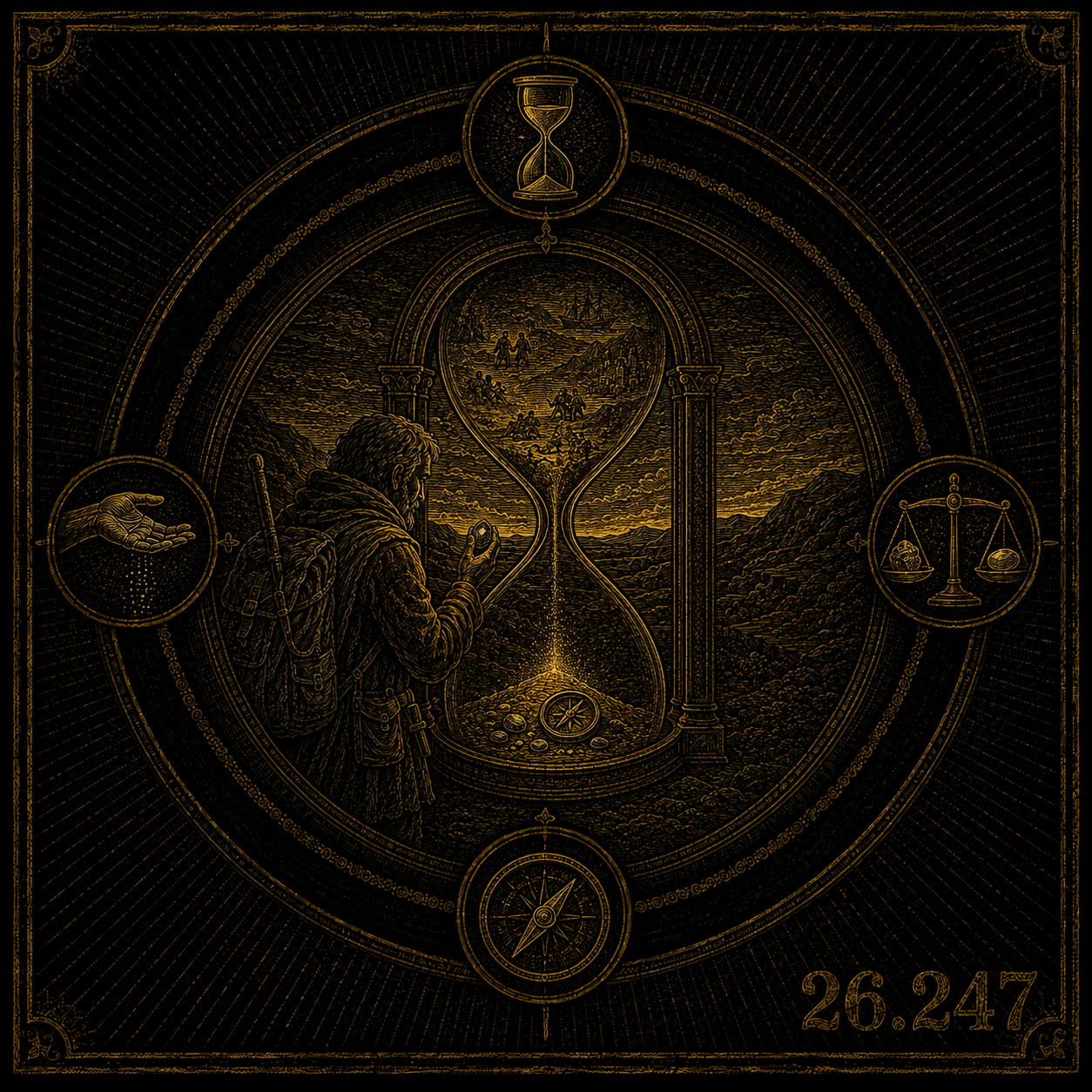
26.247 - What the Years Have Actually Taught You
Years create an archive, but age alone does not turn experience into wisdom. This reflection asks which lessons have become more precise, which beliefs merely familiar, and how memory becomes conduct. Through Toni Morrison’s idea of rememory, readers examine what time has clarified, complicated, softened, and left unresolved within them.

26.241 - What Your Actions Have Started to Teach You
Action does more than move you forward. It creates evidence. Yet experience does not automatically become wisdom, and completion can conceal what a method actually taught. Reflection separates observation from interpretation, tests the first story attached to an outcome, and lets learning change the direction of what you do next.

26.231 - Shame Makes Learning Smaller
Shame can turn useful correction into a verdict on the whole self. This reflection separates facts from identity-level condemnation, examines how reparability, psychological safety, and self-compassion shape learning, and offers a practical method for converting mistakes into specific lessons, concrete responsibility, and repair without shrinking the person who must learn.
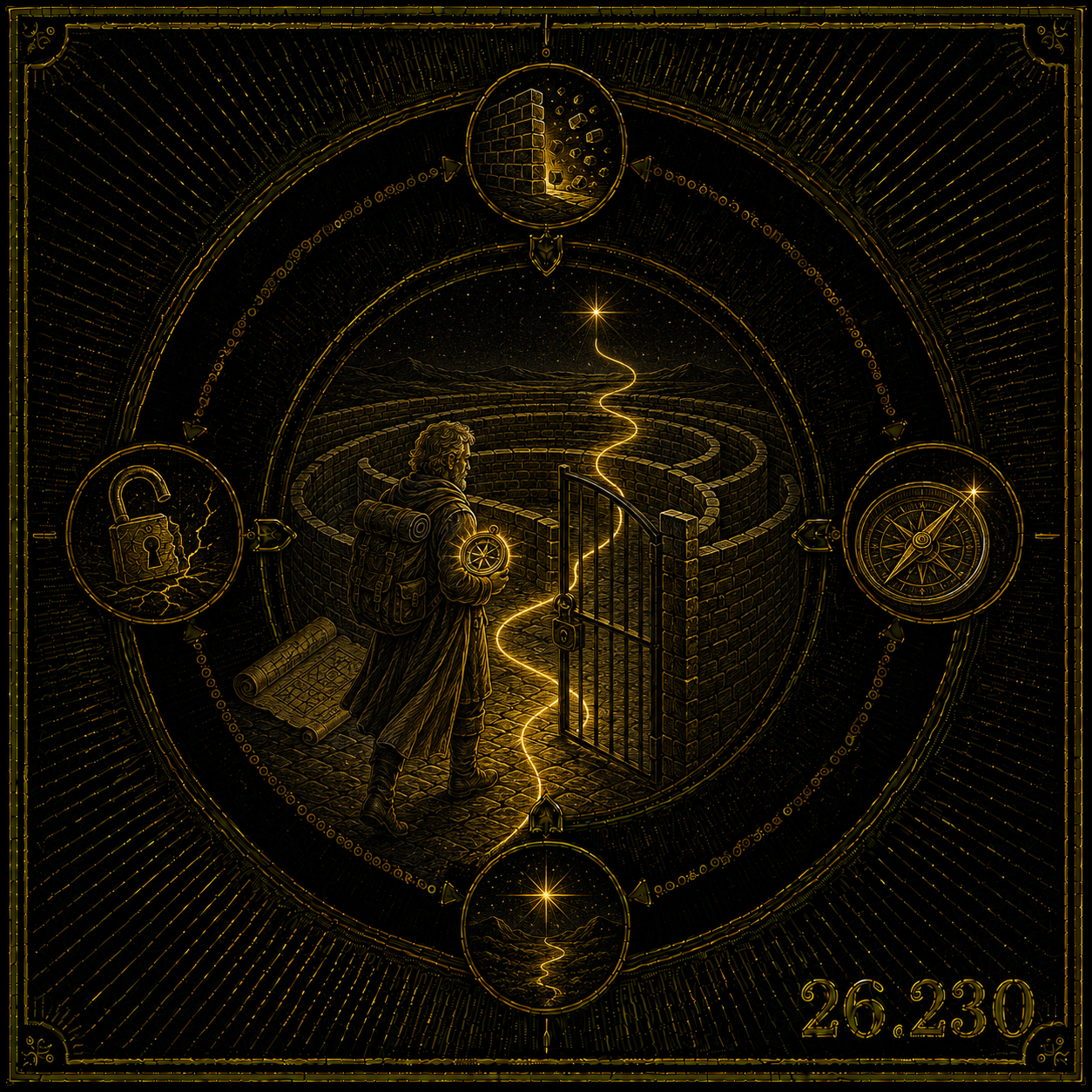
26.230 - Do Not Make Consistency Your Cage
Consistency can steady a life, but loyalty to an outdated form can become its own confinement. Drawing on Emerson, this reflection distinguishes integrity from rigid self-continuity and asks when a promise, identity, or plan still serves the truth beneath it. Growth may require revision without requiring self-betrayal or moral inconsistency.

26.229 - When the First Plan Was Only a Teacher
A first plan can become obsolete without becoming meaningless. This reflection explores how imperfect plans expose assumptions, constraints, values, and consequences that foresight alone cannot reveal. By treating the first attempt as a prototype rather than a verdict, you can preserve its learning and design a wiser next step intentionally.

26.228 - The Maturity of Changing Direction
Changing direction is not always a failure of commitment. Sometimes it is what commitment looks like after reality has spoken. This reflection distinguishes avoidance from mature redirection, explores the psychology of goal adjustment, and offers a practical way to turn without disowning the road that brought you here until now.
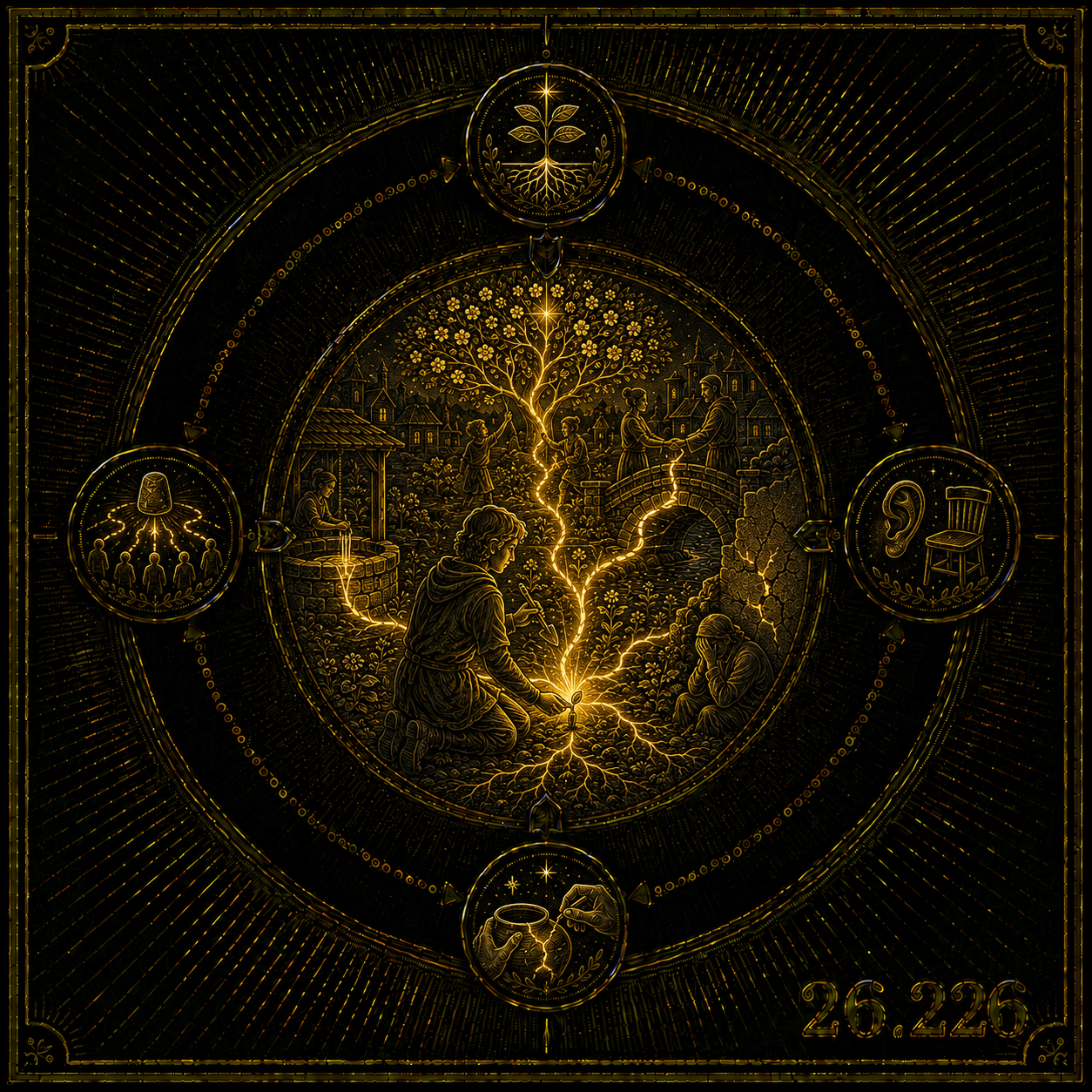
26.226 - Purpose Becomes Clearer When It Has Consequences
Purpose becomes clearer when action leaves the private world of intention and begins affecting people, relationships, resources, and systems. Consequences do not automatically validate or condemn a purpose. They reveal what responsibility now requires, asking whether we will examine impact honestly, seek missing perspectives, and correct what our actions have created.

26.225 - Let Reality Refine the Plan
A good plan is strong enough to be corrected. When experience exposes flawed assumptions, unexpected costs, or changing conditions, purposeful revision allows the method to evolve without abandoning what matters. This reflection explores how evidence, judgment, and adaptability transform rigid plans into honest and responsive paths forward through lived experience.

26.224 - The Difference Between Motion and Drift
Movement alone does not guarantee direction. A full calendar, constant activity, and visible effort can conceal drift as easily as they can express purpose. This reflection explores how attention, honest review, and a clear point of return help distinguish meaningful progress from momentum that no longer serves what truly matters.

26.223 - What the Work Teaches Once You Enter It
Meaningful work rarely teaches through inspiration alone. Once entered, it reveals hidden demands, skill gaps, constraints, and standards that imagination could not anticipate. Purpose deepens when a person stops asking the work merely to express who they are and allows its discipline to shape who they are becoming over time.

26.222 - Feedback Is Not a Verdict
Feedback becomes dangerous when we ask it to define us. A response may contain useful information, personal preference, limited context, or projection. Learning requires neither obedience nor refusal. It asks us to separate identity from instruction, examine what is useful, and let feedback guide the next responsible action with care.
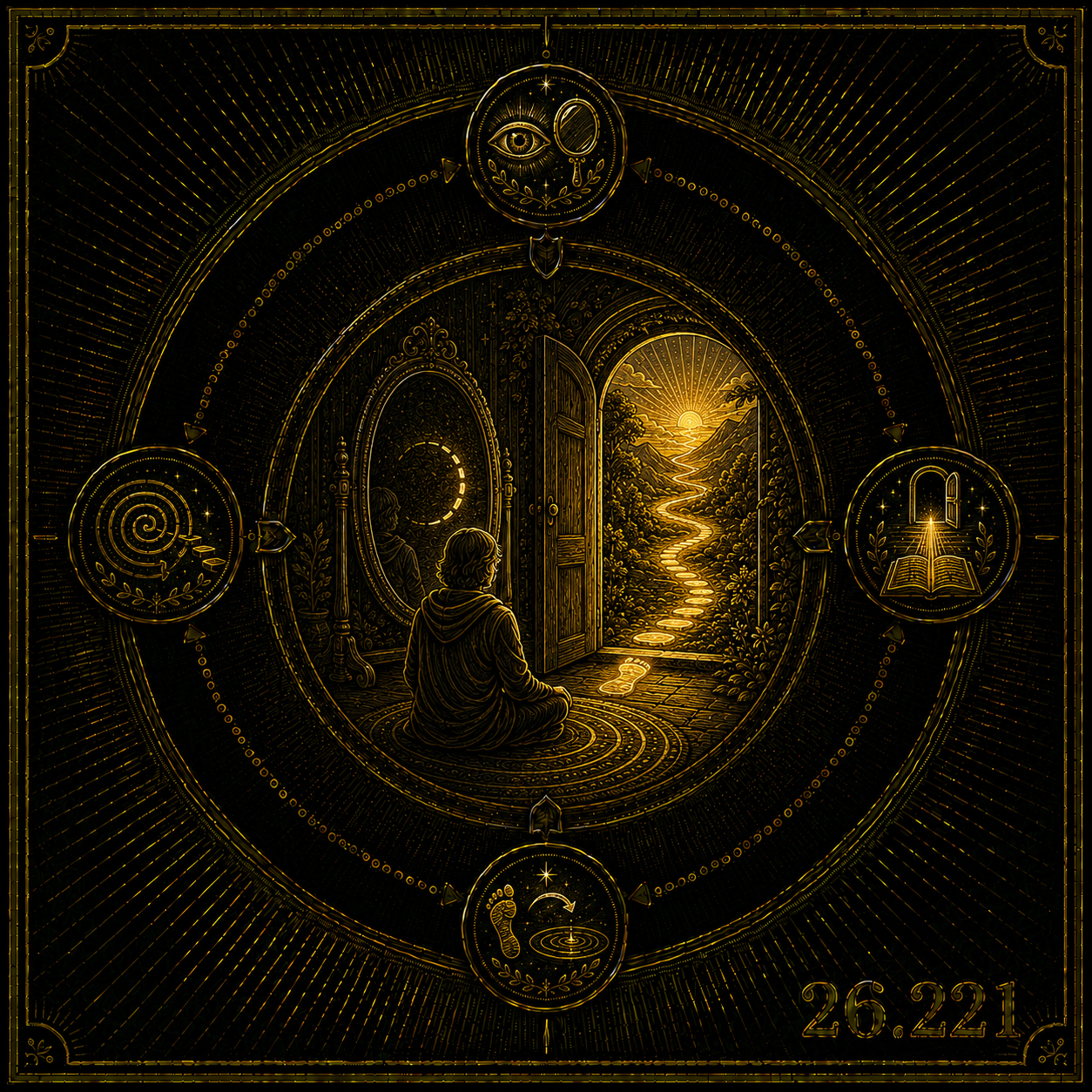
26.221 - Reflection Alone Cannot Carry the Whole Truth
Reflection helps us understand what experience has already revealed, but it cannot supply information that only participation can create. When thought begins circling familiar material, one responsible point of contact may restore movement. Action gives reflection fresh evidence, allowing uncertainty to become clearer without demanding complete certainty before we act.

26.220 - Motion Gives Purpose Something to Answer
Purpose becomes clearer through movement, not perfect preparation. Action places our intentions in contact with reality, revealing responses, constraints, surprises, and possibilities reflection alone cannot provide. The task is not simply to keep moving, but to notice what movement makes visible and let that new information shape the next step.

26.214 - Certainty Is Not the Entry Fee
Certainty can look like wisdom, but it can also become a refined form of avoidance. This reflection explores how purpose begins with enough truth, not total assurance, and invites readers to distinguish prudent waiting from paralysis by taking one responsible step while uncertainty remains and humility continues to guide movement.

26.204 - The Difference Between Presence and Visibility
Presence is the disciplined capacity to attend without turning attention into performance. Visibility asks whether we are being seen; presence asks what needs noticing. This reflection invites readers to listen more carefully, speak more intentionally, and build belonging through generous, unhurried attention rather than visible self-display or constant confirmation-seeking today.

26.198 - Apology Without Performance
A real apology does not manage image, rush forgiveness, or demand relief from the person harmed. It centers impact, accepts responsibility, names concrete change, and gives trust time to return. Apology without performance restores dignity by choosing truth over control and repair over self-protection when relationships have been wounded.
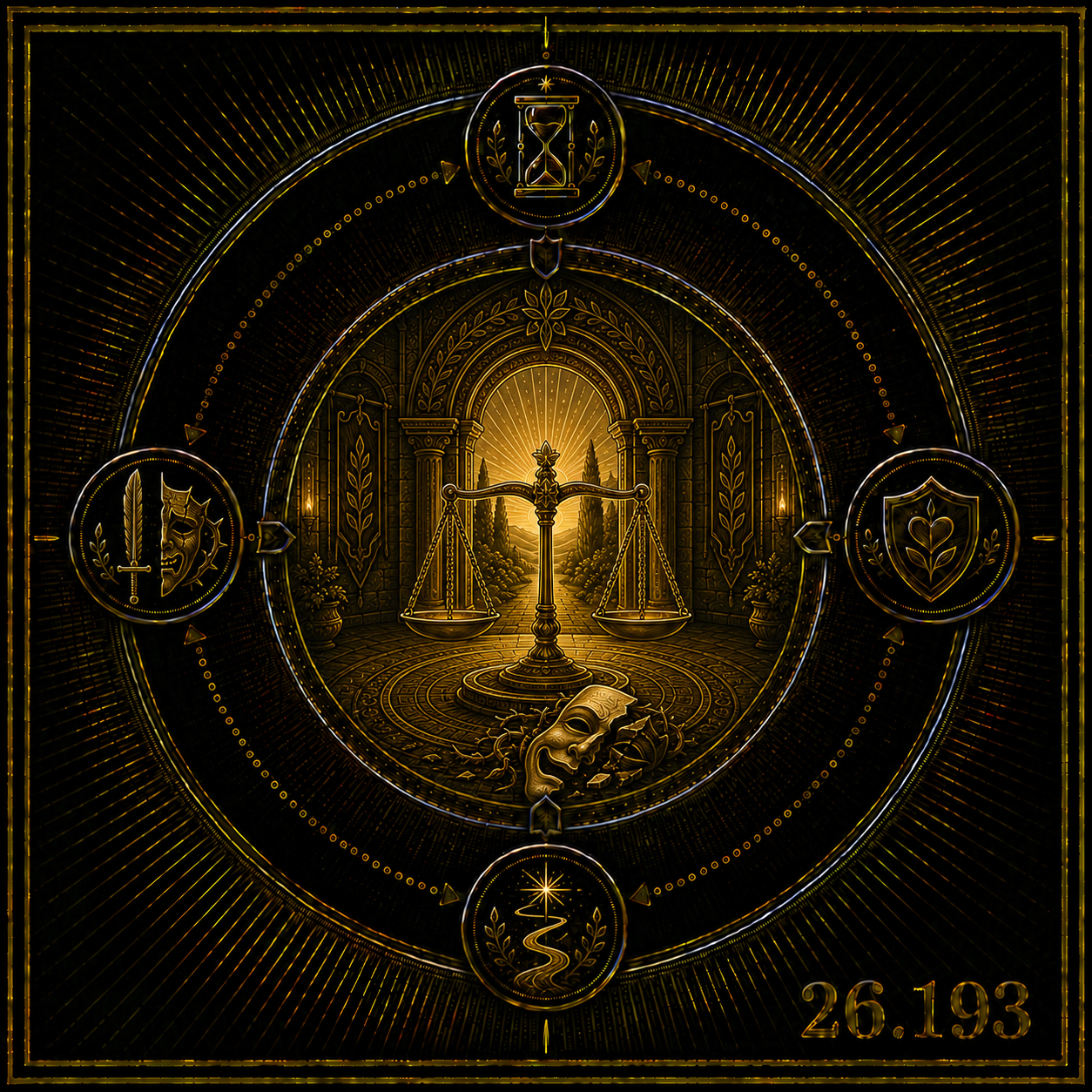
26.193 - The Difference Between Conviction and Contempt
Conviction can hold a line without making another person smaller. Contempt begins when a real value becomes fused with superiority, ridicule, or dismissal. This reflection explores how to protect standards, boundaries, and truth while removing the corrosive habit of dehumanizing those who disagree with us during difficult human moments ahead.

26.185 - The Role You Keep Performing
Groups often remember the role before they notice the person. This reflection explores how family, work, friendship, and public identities can keep assigning old scripts long after a life has changed, and offers a practical audit for loosening the performance without burning the room or betraying the living self inside.
Unlock Deeper Understanding.
Elevate Your Perspective.
Join Lucivara and embark on a journey of insight, connection, and transformation. Sign up today to explore thought-provoking reflections, timeless wisdom, and practical ways to cultivate a more conscious and connected life.
Expand Your Mind – Gain deeper clarity on the Tenets of Lucivara.
Engage with Meaning – Access exclusive content designed to challenge and inspire.
Be Part of Something Bigger – Connect with a community of seekers and thinkers.
Your journey toward greater wisdom starts now.
🔹 Sign Up for Lucivara Today 🔹