

26.296 – Which Part Is Yours?
A family photo book misses a birthday, leaving Rosa to untangle her delayed order, unspoken expectations, and a printer's interruption. Through this fictional story, explore how to acknowledge your choices, recognize shared conditions, and decide what you can reasonably do next without making every consequence yours alone to carry forward.

26.295 – A Mistake Is an Event, Not a Whole Identity
A missed message leaves someone waiting, and a volunteer wondering whether she always lets people down. Through Nina’s story and research on self-compassion, explore how to describe a mistake accurately, acknowledge its consequences, and choose a practical next step while leaving room for patience with yourself and responsibility to others.

26.292 – Why a Clear Enemy Feels So Good
A shared frustration can turn a group label into an explanation before anyone checks the facts. Through a neighborhood disagreement, explore how categories shape expectations, conceal responsibility, and make blame feel reassuring. Learn to describe the harm precisely, question assumed motives, and choose a response that can change the situation.
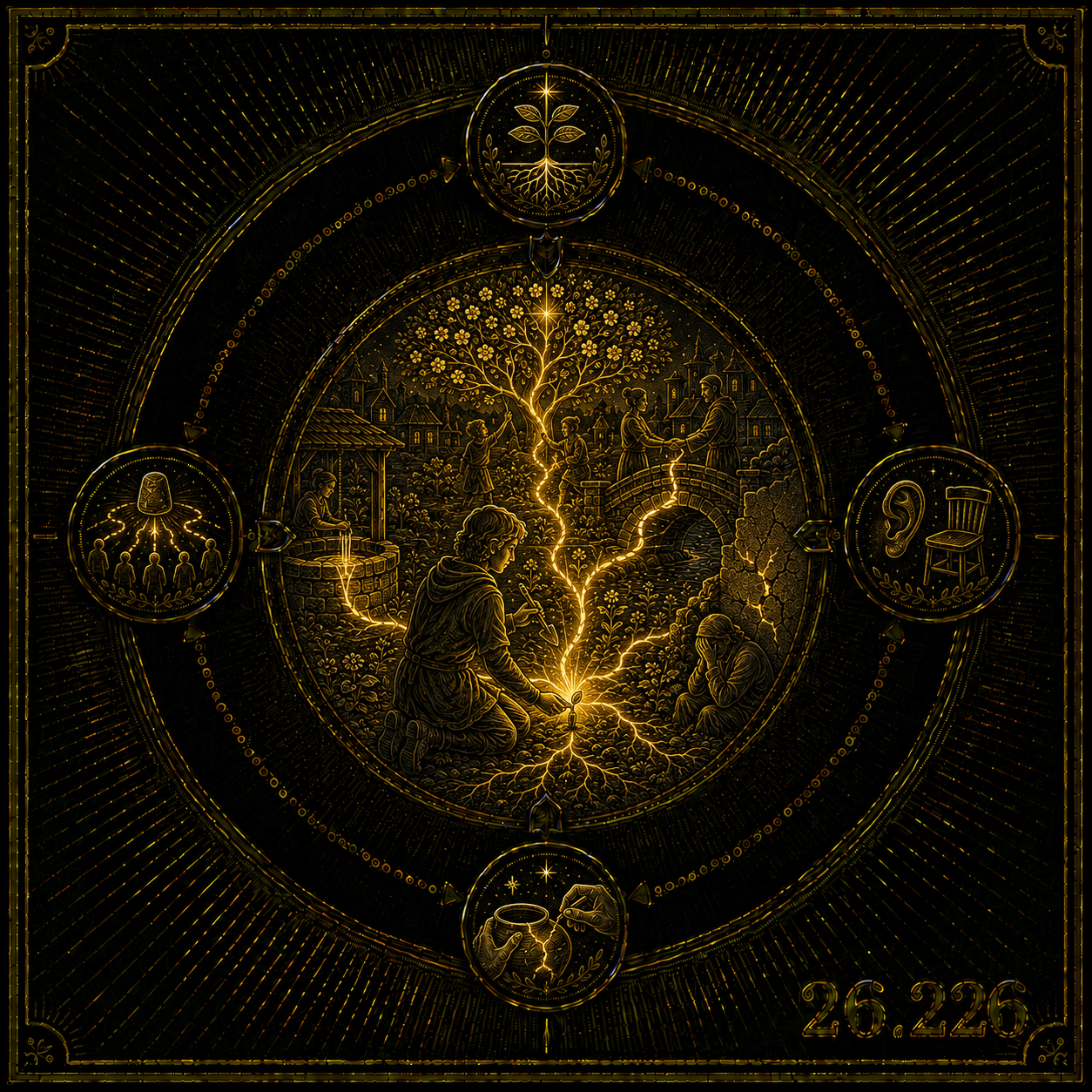
26.226 - Purpose Becomes Clearer When It Has Consequences
Purpose becomes clearer when action leaves the private world of intention and begins affecting people, relationships, resources, and systems. Consequences do not automatically validate or condemn a purpose. They reveal what responsibility now requires, asking whether we will examine impact honestly, seek missing perspectives, and correct what our actions have created.

26.218 - Purpose Often Arrives as a Next Step
Purpose often arrives less as a grand revelation than as the next honest thing asking to be done. This reflection reframes calling as practiced response: a returning signal, a nearby responsibility, or a concrete need that becomes clearer when answered through one faithful, values-aligned step today, rather than postponed clarity.

26.181 - Carrying Rhythm Into the Second Half of the Year
At midyear, the question is not whether enough has been achieved, but what rhythm can carry what still matters. This reflection reframes July as continuity rather than restart, inviting steadier commitments, clearer boundaries, and a sustainable pace for responsibility, contribution, and the life still being built with steadier care ahead.
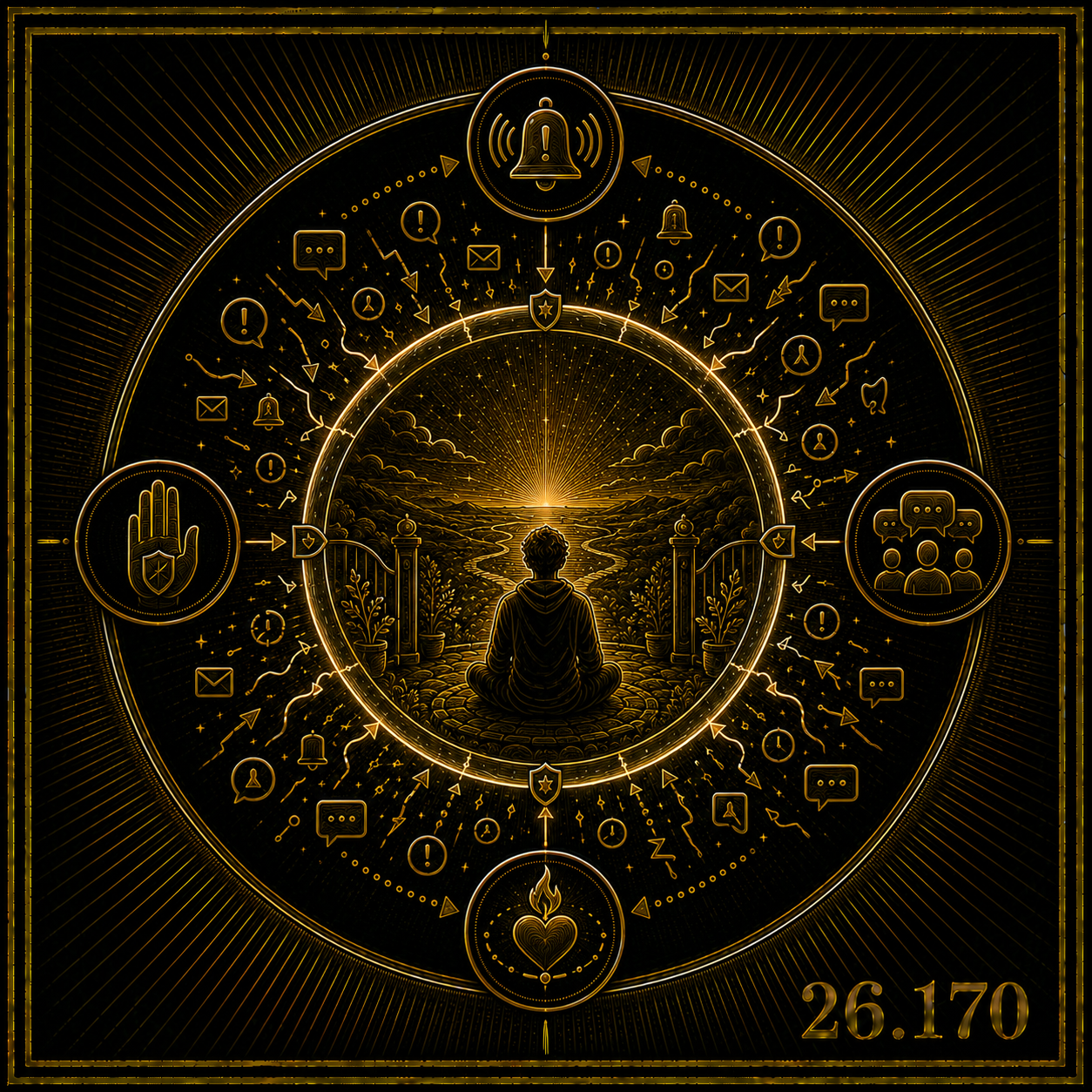
26.170 - The False Emergency of Other People’s Expectations
Other people’s pressure can feel like command, but urgency is not automatically responsibility. This reflection helps readers separate care from compliance, compassion from panic, and real obligation from borrowed emotional speed. Calm pace becomes a relational strength when it protects truth without abandoning connection or care in any direction today.

26.158 - The Difference Between Delay and Discernment
Discernment and delay can look almost identical from the outside. This post explores the difference between waiting for truth to form and using slowness to avoid responsibility. Wise pace does not eliminate action; it prepares action to become more honest, more grounded, and more aligned with what is already known.

26.151 - Long-Term Pacing
Long-term pacing asks whether current effort can continue without quietly eroding the person or system carrying it. This closing May reflection frames sustainable rhythm as stewardship: the discipline of matching demand with recovery so responsibility, care, ambition, and growth can remain durable beyond the first season of intensity.

26.102 - The Cost of Being Needed
Usefulness becomes limiting when it replaces participation. Systems begin to depend on the person who consistently steps in, reducing growth everywhere else. This reflection examines how over-functioning creates hidden dependency loops and offers a precise method to redistribute responsibility so capacity expands instead of concentrating.
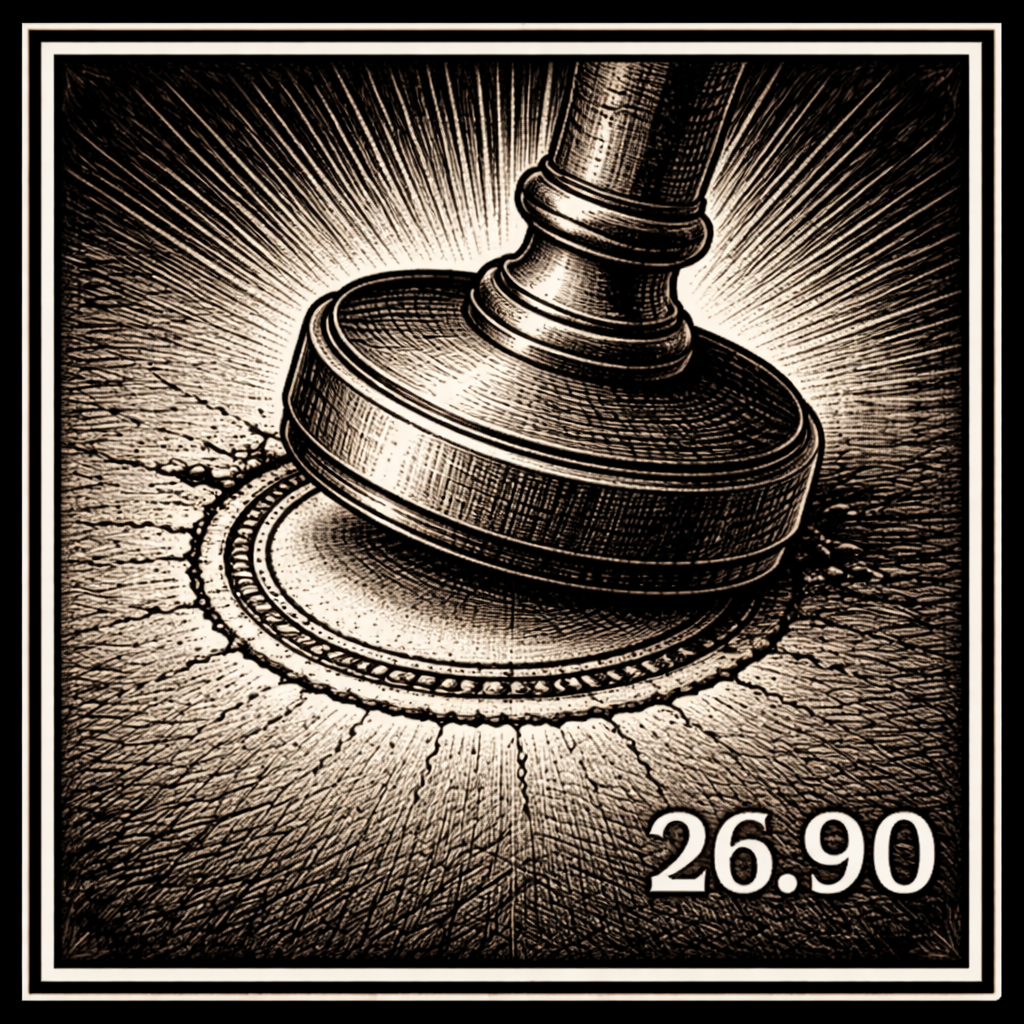
26.90 - The Author Function
To stand behind your life is to leave a mark that cannot be denied. Authorship is not intention—it is imprint. Every action presses into reality, shaping what remains. Responsibility is the act of signing what you live, where ownership transforms direction into something concrete, visible, and irrevocably yours

26.87 - Discipline as Self-Respect
Reliability is not built through intensity but through consistency across time. Each action, repeated and aligned, forms a structure others can trust. This post explores how steady participation creates relational safety, and why dependable patterns matter more than isolated moments of effort in shaping how we are experienced.
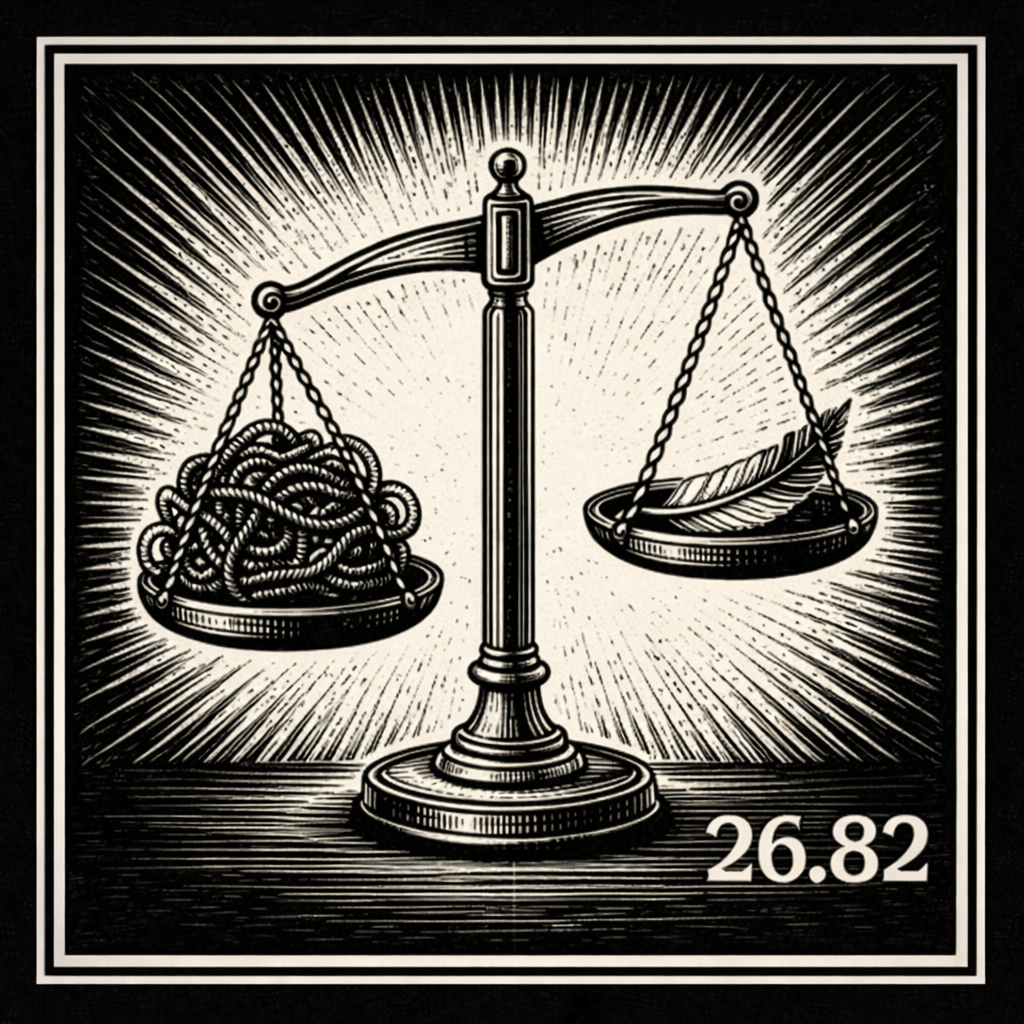
26.82 - Influence vs Control
Responsibility becomes distorted when influence is confused with control. This post examines how over-responsibility emerges, why it persists, and how boundaries restore clarity. By separating what is yours from what is not, effort becomes more effective, relationships become more stable, and energy is directed toward outcomes that can actually be shaped.
26.80 - Quiet Alignment
Stability does not announce itself through intensity. It emerges through alignment. When internal systems operate without friction, experience becomes quieter, not weaker. What appears uneventful is often highly functional. Calm, in this sense, reflects coherence across competing demands, where less energy is spent on correction and more is available for direction.
26.75 - Why Patterns Repeat
Recurring outcomes often feel like bad luck or fate. In reality, patterns repeat because behavioral systems reinforce themselves through reward and relief. By examining the cues, interpretations, and incentives embedded in our actions, we can begin to redesign the structures that quietly shape our lives and influence what happens next.
26.74 - Reality Is Feedback
Outcomes are not verdicts on identity. They are signals about alignment between behavior and reality. When results are interpreted as feedback rather than judgment, experience becomes a learning system. Each action produces information that reveals how assumptions interact with the world, allowing behavior to gradually calibrate toward wiser decisions.

26.73 - Standing Beside Your Past Self
Growth does not require rejecting earlier versions of yourself. Development happens when the past is examined with context rather than condemnation. By standing beside your past self instead of distancing from it, experience becomes instruction, identity remains coherent, and responsibility turns forward, transforming history into a source of clarity and wiser future choices.
26.72 - Firm Without Harsh
Accountability is often confused with harshness. Yet real responsibility does not require emotional punishment. Calm accountability separates evaluation from self-criticism, allowing individuals to observe behavior clearly and make precise adjustments. When standards remain firm but the tone remains steady, learning accelerates and consistency becomes possible across time.

26.70 - Repair Without Self-Rescue
Repair often expands beyond what the mistake actually requires. Overcorrection occurs when errors are interpreted as threats to identity rather than deviations in behavior. This post explores why people escalate repair efforts and how proportional adjustment restores alignment, allowing individuals to correct mistakes without turning repair into a performance of self-rescue.
26.69 - Mistakes as Data
Mistakes are often treated as evidence of failure, yet every learning system depends on error signals. When interpreted correctly, mistakes become data that refine perception and guide adjustment. Growth does not come from avoiding errors but from metabolizing them. The adults who improve fastest treat deviation as information.
Unlock Deeper Understanding.
Elevate Your Perspective.
Join Lucivara and embark on a journey of insight, connection, and transformation. Sign up today to explore thought-provoking reflections, timeless wisdom, and practical ways to cultivate a more conscious and connected life.
Expand Your Mind – Gain deeper clarity on the Tenets of Lucivara.
Engage with Meaning – Access exclusive content designed to challenge and inspire.
Be Part of Something Bigger – Connect with a community of seekers and thinkers.
Your journey toward greater wisdom starts now.
🔹 Sign Up for Lucivara Today 🔹