
26.151 - Long-Term Pacing
Long-term pacing asks whether current effort can continue without quietly eroding the person or system carrying it. This closing May reflection frames sustainable rhythm as stewardship: the discipline of matching demand with recovery so responsibility, care, ambition, and growth can remain durable beyond the first season of intensity.
26.150 - Constraint Acceptance
Constraint acceptance helps readers stop treating limits as failure and start using them as design information. This post reframes time, energy, money, attention, and responsibility as real conditions that can clarify the path forward. Stewardship deepens when growth is built from reality rather than fantasy capacity or constant resistance.
26.149 - System Coherence
System coherence begins when the separate parts of life stop competing for the same energy. This post helps readers see fragmentation not as personal failure, but as a signal that routines, responsibilities, and recovery need better alignment. Stewardship matures when life’s systems begin supporting one another in one shared direction.

26.148 - Maintenance Identity
Maintenance identity turns ordinary care into sustained capacity. When people see themselves as someone who maintains, consistency becomes easier to resume after interruption. This post explores how identity-based habits, self-trust, and small return actions help preserve energy, support meaningful work, and build a life capable of durable growth.
26.146 - Transformation Trap
Transformation often fails because dramatic change depends on motivation that ordinary life cannot sustain. This post explores reset fatigue, behavior change research, and the power of maintenance, showing why smaller repeatable actions often create more durable growth than sweeping personal reinvention. Change becomes real when it can return.
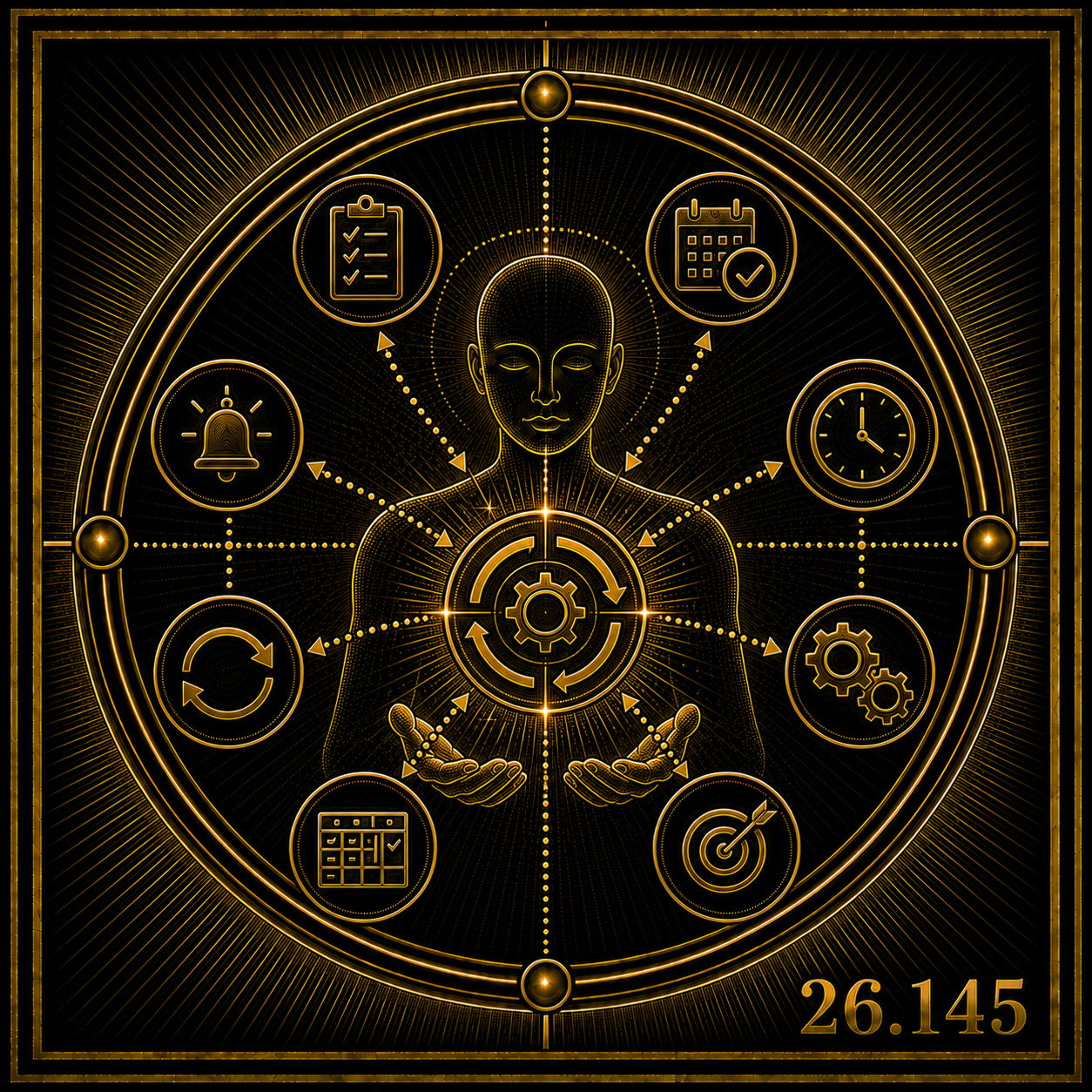
26.145 - Maintenance Systems
Maintenance becomes sustainable when recurring effort is supported by systems instead of willpower alone. This post explores how fragmented responsibility scatters attention, why behavioral systems reduce friction, and how aligned routines help upkeep return in the right direction so daily activity supports the life we are trying to steward.

26.144 - Routine Builders
Routines form when useful behavior becomes easier to begin. Instead of relying on discipline alone, routine building depends on clear prompts, reduced friction, and small entry points. Drawing on BJ Fogg’s behavior model, this post reframes consistency as stewardship: designing conditions that help future action become easier to repeat.

26.143 - Small Inputs
Small inputs matter because they keep systems from drifting. This post explores why modest, repeatable actions often protect capacity better than dramatic intervention. Through cultural contrast, behavioral science, and a practical seven-day exercise, readers learn how consistency preserves direction, reduces friction, and keeps care active in daily life.
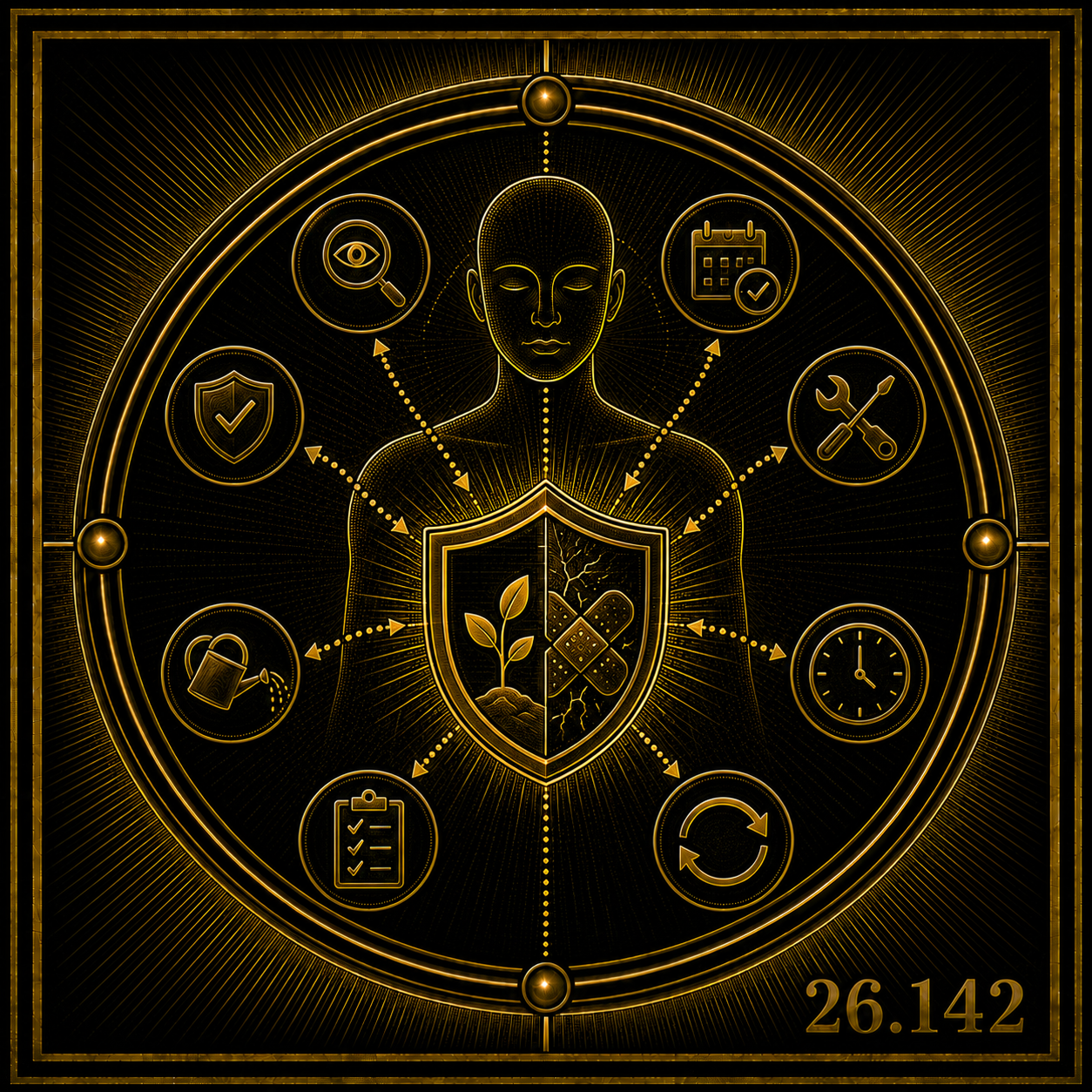
26.142 - Maintenance vs Repair
Maintenance is stewardship before crisis. This post explores the difference between maintaining and fixing, showing how preventive care protects capacity before repair becomes necessary. Through cultural context, behavioral science, and a practical exercise, readers learn to identify small actions that preserve energy, stability, and continuity before decline becomes visible.
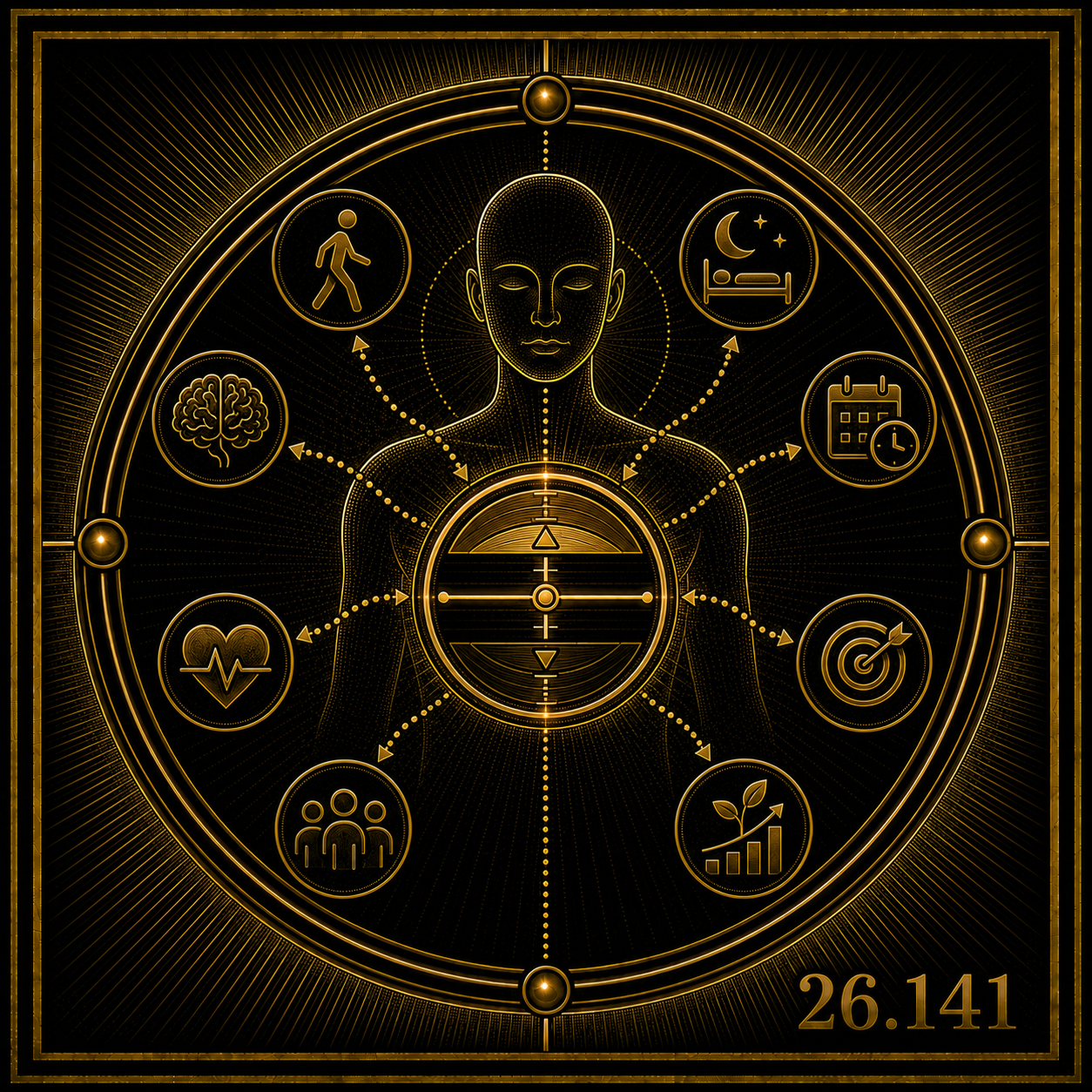
26.141 - Capability Baseline
A capability baseline is not a limitation or verdict. It is an operating map for understanding current physical, cognitive, emotional, and relational capacity. By identifying reliable range, stretch range, and overload range, readers can steward energy more intelligently, protect recovery, and continue contributing without confusing overextension with ambition.
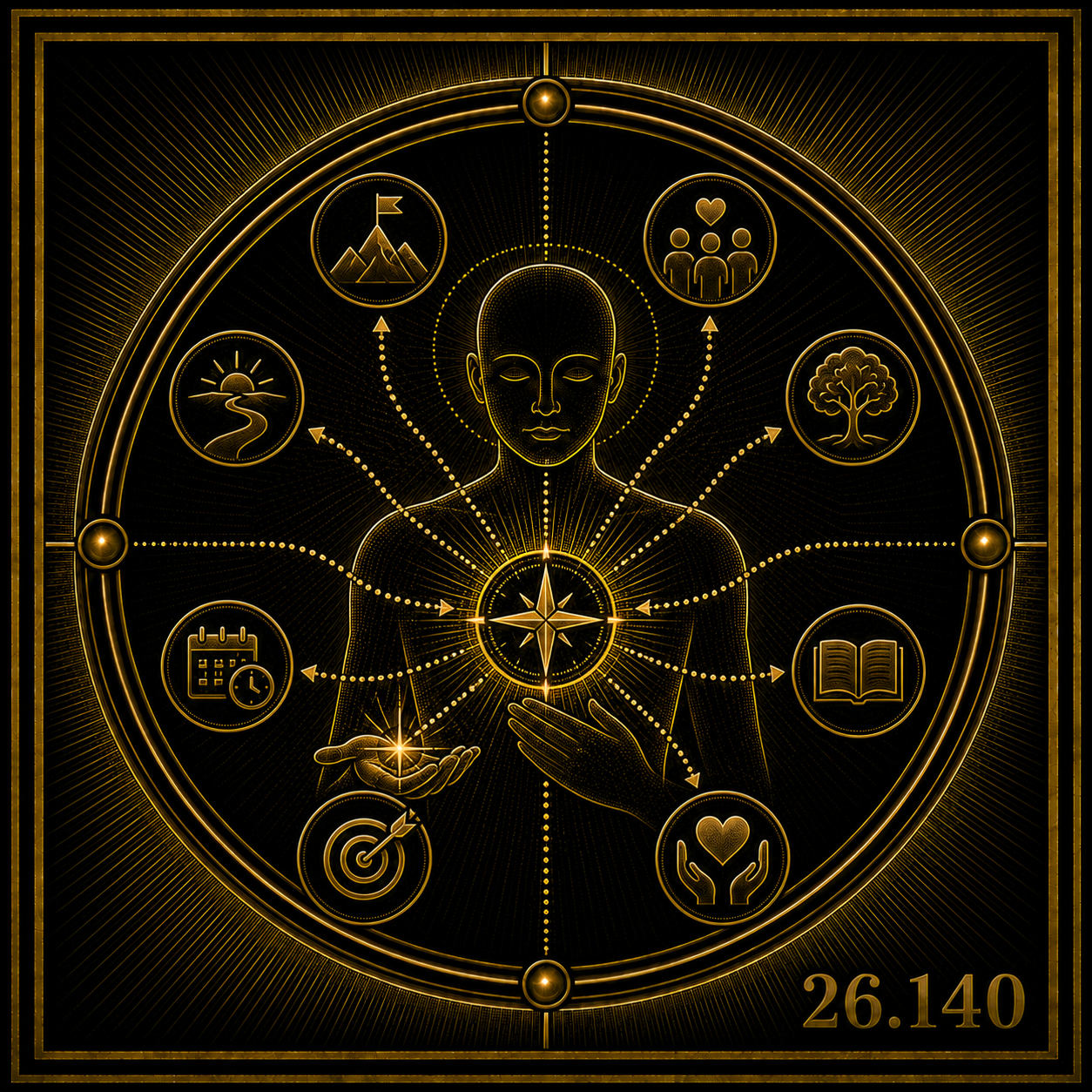
26.140 - Shifting Capacity
Capacity changes as life changes. This post invites readers to study the evidence of daily life, notice where old assumptions no longer fit, and redirect energy toward what matters now. Through purpose, stewardship, and practical field notes, shifting capacity becomes a way to live with greater alignment and contribution.
26.138 - Adaptive Systems
Adaptation does not come from intensity alone. The body and mind change through repeated signals, sufficient recovery, and enough time for response. This post explores why stress must be paired with restoration and repetition, helping readers apply one gradual change with patience, calibration, and better stewardship of capacity.
26.137 - Longevity Case
Longevity becomes meaningful when it shifts from chasing more years to preserving the capacity to use time well. This post explores how repeatable inputs like movement, rest, nourishment, connection, purpose, and stress regulation help protect functional ability, allowing ordinary days to become more conscious, relational, and contributive over time.

26.136 - Use It or Lose It
Capacity does not remain available simply because it once existed. What we stop using may not vanish, but it can move farther from reach. This post explores disuse decay across body, mind, skill, and emotion, then offers a seven-day practice for keeping one meaningful capacity in steady, practical contact today.
26.135 - Strength Trajectory
Capability does not remain simply because it once existed. Strength, focus, patience, recovery, and creative consistency all move over time. This post invites readers to stop relying on outdated self-image, observe one meaningful baseline, and practice stewardship by monitoring trends with honesty, dignity, and care for future contribution and sustained participation.

26.133: Field Notes: Overextension
Overextension rarely happens all at once. It builds through small continuations, early signals ignored, and limits crossed before they are named. This post helps readers track overreach patterns, recognize fatigue thresholds, and practice stopping earlier so capacity can be protected before exhaustion becomes the only evidence left behind later.
26.129 - Hidden Drains
Hidden drains are the quiet demands that deplete energy without looking like effort. This post explores how unresolved attention, open loops, digital interruption, emotional monitoring, and everyday friction consume capacity beneath the surface, helping readers identify what they keep carrying and reduce invisible load with greater stewardship.
26.121 - Signal vs Story
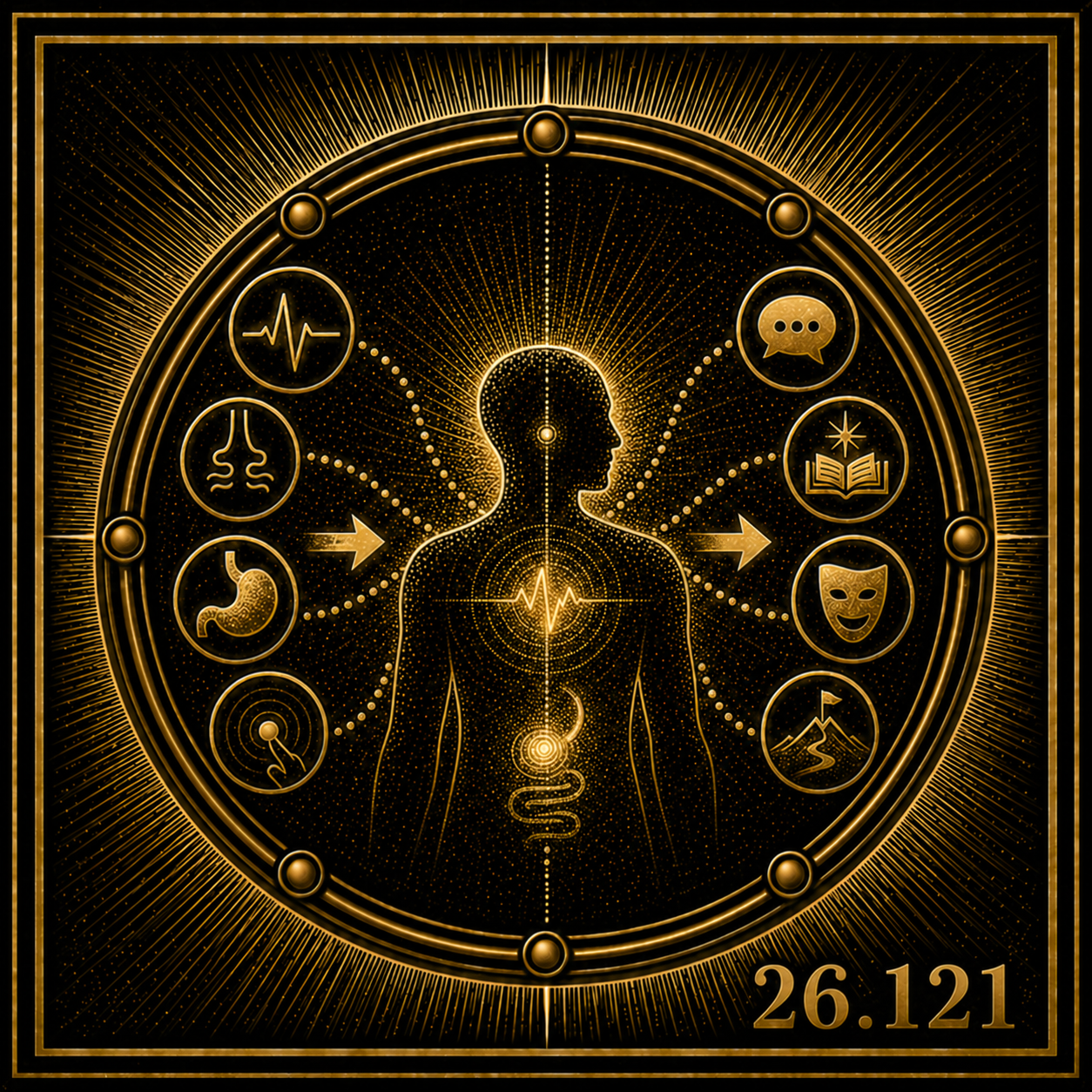
Before the body becomes a story, it arrives as sensation. This post opens May by exploring how embodied stewardship begins with accurate interpretation, separating raw bodily signals from the meanings we attach too quickly, so discomfort can be met with steadiness, context, and proportion rather than panic, neglect, or self-judgment.

26.120 - From Contribution to Stewardship
Contribution becomes sustainable only when the system carrying it is maintained. As April closes and May begins, this post shifts from meaningful effort to embodied stewardship, asking what must be protected, restored, and respected so contribution can continue without depletion, collapse, or self-extraction.

26.24 - The Difference Between Holding and Gripping
Care does not fail when it loosens. It fails when fear tightens its grip. This reflection explores how responsibility quietly becomes control, why identity hardens attachment, and how stewardship offers a stronger alternative. Holding lightly is not disengagement. It is disciplined care that allows growth without suffocation.
Unlock Deeper Understanding.
Elevate Your Perspective.
Join Lucivara and embark on a journey of insight, connection, and transformation. Sign up today to explore thought-provoking reflections, timeless wisdom, and practical ways to cultivate a more conscious and connected life.
Expand Your Mind – Gain deeper clarity on the Tenets of Lucivara.
Engage with Meaning – Access exclusive content designed to challenge and inspire.
Be Part of Something Bigger – Connect with a community of seekers and thinkers.
Your journey toward greater wisdom starts now.
🔹 Sign Up for Lucivara Today 🔹