

26.180 - What Pace Has Taught Me About Truth
Pace does not merely slow life down. It reveals what speed can conceal: misalignment, fatigue, false urgency, and the quiet truths asking to be heard. This reflection closes June by treating pace as a practice of truth, helping readers review what clarified, what needs protection, and what must continue next.

26.177 | Planning for the Person Who Actually Lives Your Life
Realistic planning begins when we stop designing for an idealized future self and start honoring actual capacity. This reflection explores energy, emotional load, transition time, recovery, and honest design, showing how compassionate realism makes follow-through more sustainable, trustworthy, and aligned with the life we are actually living each day well.

26.175 - The Problem With Living on Intensity
Intensity can make weak systems look functional for a while, but the body eventually tells the truth. This post examines procrastination, pressure, stress arousal, burnout, and recovery debt, then invites readers to replace repeated emergency effort with a simple, sustainable structure that protects capacity over time and prevents avoidable collapse.

26.174: Margin Is Not Wasted Space
Margin is not wasted space. It is the protective room that keeps a life from collapsing under ordinary pressure. This post explores why recovery, transition time, stress buffering, and planning realism help us build schedules with enough space for resilience, steadiness, and humane design in the middle of real life today.

26.173 - A Life Built for Repetition
A sustainable life is not proven by what we can survive once, but by what we can live again. This post invites readers to examine where daily life depends on crisis energy, then redesign one repeated pattern so effort, recovery, responsibility, and presence can endure without quiet depletion over time.

26.170 - The False Emergency of Other People’s Expectations
Other people’s pressure can feel like command, but urgency is not automatically responsibility. This reflection helps readers separate care from compliance, compassion from panic, and real obligation from borrowed emotional speed. Calm pace becomes a relational strength when it protects truth without abandoning connection or care in any direction today.
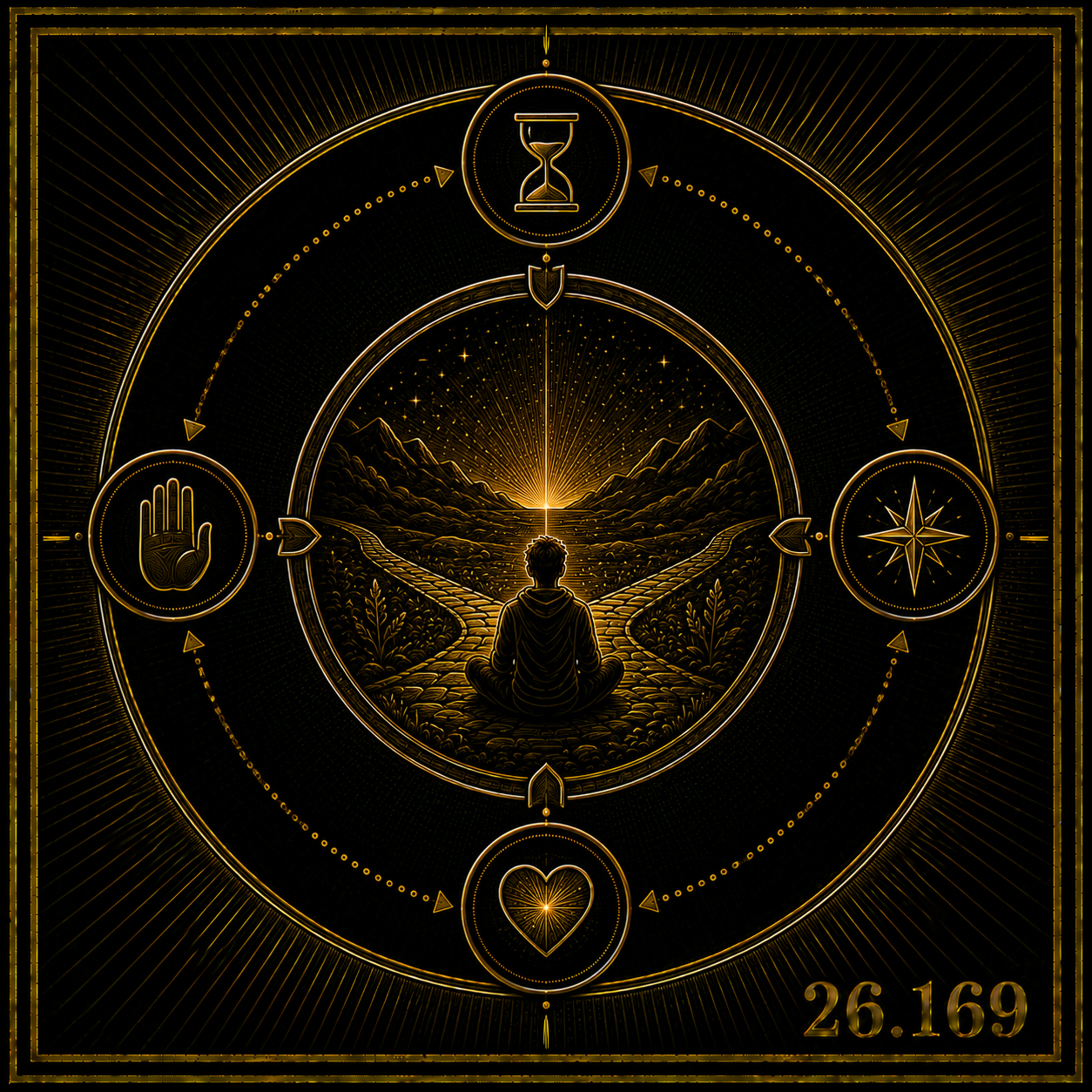
26.169: When Fast Decisions Become Self-Abandonment
Speed can look like clarity, but it often hides the moment we leave ourselves behind. This reflection explores how fast decisions can become self-abandonment, why pausing restores inner authority, and how a personal pause rule helps protect time, body, relationships, money, integrity, dignity, and self-trust before answering under pressure again.

26.166 - Not Every Alarm Is a Truth
Urgency often feels like truth because the body reacts before the mind has examined the signal. This reflection asks readers to distinguish real urgency from borrowed, emotional, and artificial pressure, restoring discernment between alarm and action so pace becomes governed by clarity rather than manufactured demand, noise, or fear alone.

26.164 - When Opportunity Becomes Noise
When opportunity becomes noise, even good options can scatter the life we are trying to build. This reflection explores how discernment protects attention, capacity, and coherence by helping us distinguish between exciting possibilities and the commitments that truly belong to our present season, values, and actual life.

26.158 - The Difference Between Delay and Discernment
Discernment and delay can look almost identical from the outside. This post explores the difference between waiting for truth to form and using slowness to avoid responsibility. Wise pace does not eliminate action; it prepares action to become more honest, more grounded, and more aligned with what is already known.

26.157 - Slower Is Where Meaning Reappears
Meaning does not always disappear because life is empty. Often, it disappears because attention moves too quickly to receive what is already present. This post explores how slower attention restores texture, memory, and emotional significance, helping ordinary experiences become more specific, more inhabitable, and more deeply felt.

26.156 - The Clarity Hidden Inside a Pause
A pause creates space between stimulus and identity. Before the reply, purchase, apology, defense, or commitment, there is a brief interval where reaction can be noticed before it becomes behavior. That small delay is not indecision. It is the architecture of a more honest and conscious response.

26.155 - When Your Nervous System Needs a Slower Clock
When the calendar moves faster than the body can sustain, the nervous system begins to tell the truth first. This post explores bodily pacing, stress physiology, recovery, sleep, and discernment, inviting readers to track the pace their body actually trusts before exhaustion becomes the only signal left.
Unlock Deeper Understanding.
Elevate Your Perspective.
Join Lucivara and embark on a journey of insight, connection, and transformation. Sign up today to explore thought-provoking reflections, timeless wisdom, and practical ways to cultivate a more conscious and connected life.
Expand Your Mind – Gain deeper clarity on the Tenets of Lucivara.
Engage with Meaning – Access exclusive content designed to challenge and inspire.
Be Part of Something Bigger – Connect with a community of seekers and thinkers.
Your journey toward greater wisdom starts now.
🔹 Sign Up for Lucivara Today 🔹