

26.231 - Shame Makes Learning Smaller
Shame can turn useful correction into a verdict on the whole self. This reflection separates facts from identity-level condemnation, examines how reparability, psychological safety, and self-compassion shape learning, and offers a practical method for converting mistakes into specific lessons, concrete responsibility, and repair without shrinking the person who must learn.

26.207 - The Discipline of Not Explaining Yourself Into Acceptance
Overexplaining often begins as a generous attempt to create clarity, but it can quietly become a plea for acceptance. This reflection invites readers to say enough to be understood, protect dignity through proportion, and practice one clear sentence that honors truth without exhausting the self in search of approval today.

26.192 - Speaking Without Making the Room Smaller
Speaking truth well requires more than courage. It asks for proportion, timing, and care so honesty can enlarge the shared space rather than overwhelm it. This reflection explores how mature speech preserves dignity, supports psychological safety, and helps difficult conversations become places of clarity, accountability, and deeper belonging for everyone.

26.190 - The Maturity of Not Needing Immediate Agreement
Mature belonging does not require immediate agreement. This post explores why unresolved difference can feel threatening, how cultural speed turns uncertainty into performance, and why patience helps truth develop at human speed. Through research on dissonance, ambiguity, and humility, it offers a practice for pausing before forcing alignment too soon.

26.158 - The Difference Between Delay and Discernment
Discernment and delay can look almost identical from the outside. This post explores the difference between waiting for truth to form and using slowness to avoid responsibility. Wise pace does not eliminate action; it prepares action to become more honest, more grounded, and more aligned with what is already known.

26.156 - The Clarity Hidden Inside a Pause
A pause creates space between stimulus and identity. Before the reply, purchase, apology, defense, or commitment, there is a brief interval where reaction can be noticed before it becomes behavior. That small delay is not indecision. It is the architecture of a more honest and conscious response.

26.155 - When Your Nervous System Needs a Slower Clock
When the calendar moves faster than the body can sustain, the nervous system begins to tell the truth first. This post explores bodily pacing, stress physiology, recovery, sleep, and discernment, inviting readers to track the pace their body actually trusts before exhaustion becomes the only signal left.

26.154 - The Intelligence of Waiting
Waiting is not always delay. Sometimes it is disciplined discernment: the refusal to act from panic, ego, or artificial pressure before reality has fully disclosed itself. This post reframes waiting as active observation, showing how time can clarify decisions, mature insight, and protect truth from premature certainty and distortion.

26.152 - The Pace That Lets You Hear Yourself
When life moves too quickly, inner signals become harder to hear. This post explores how slowing down restores perception, attention, and self-trust. Pace is not a retreat from ambition; it is the condition that allows discernment, sustainable movement, and truthful participation in the life already underway.

26.133: Field Notes: Overextension
Overextension rarely happens all at once. It builds through small continuations, early signals ignored, and limits crossed before they are named. This post helps readers track overreach patterns, recognize fatigue thresholds, and practice stopping earlier so capacity can be protected before exhaustion becomes the only evidence left behind later.

26.132 - Rest as Input
Rest is not the absence of contribution. It is an essential input that makes contribution possible. This post reframes recovery as a source of attention, patience, creativity, judgment, and emotional steadiness, helping readers schedule rest before depletion quietly reduces the quality of their work, care, presence, and daily life itself.

26.128 - Energy Budgeting
Energy often disappears before we understand where it went. This post reframes fatigue as information, helping readers see the hidden costs of ordinary commitments, cognitive load, emotional regulation, and recovery gaps. Energy budgeting begins not with doing less, but with making daily expenditure visible enough to allocate capacity wisely.

26.126 - Field Notes: Misreading Signals
Misreading begins when a daily signal becomes a verdict too quickly. This post explores how inherited beliefs, cultural scripts, body cues, and cognitive bias shape interpretation. Through a practical field-note exercise, readers learn to separate signal from story, review first impressions, and respond with more accuracy, patience, care, and clarity.

26.125 - Pain as Data
Discomfort is not always a command to stop. Sometimes it is information asking to be interpreted. This post explores how pain, tension, fatigue, and bodily signals can be classified before reaction, helping readers distinguish urgency from unpleasantness and respond with more precision, care, and trust in the body’s intelligence today.

26.121 - Signal vs Story
Before the body becomes a story, it arrives as sensation. This post opens May by exploring how embodied stewardship begins with accurate interpretation, separating raw bodily signals from the meanings we attach too quickly, so discomfort can be met with steadiness, context, and proportion rather than panic, neglect, or self-judgment.

26.112 - The Need to Be Seen
Recognition feels essential, but often operates as a hidden loop shaping behavior. This post examines how checking, posting, and waiting subtly link visibility to mood. By identifying recognition triggers and separating motivation from dependence, readers can stabilize contribution and reclaim consistency without relying on external response to define effort.

26.104 - Role, Not Identity
You are not your role but over time, the distinction erodes. This piece examines how identity becomes entangled with function, why external validation reshapes internal perception, and how reclaiming separation restores clarity. When performance stops defining self-worth, a more stable, self-directed identity begins to re-emerge beneath the surface.
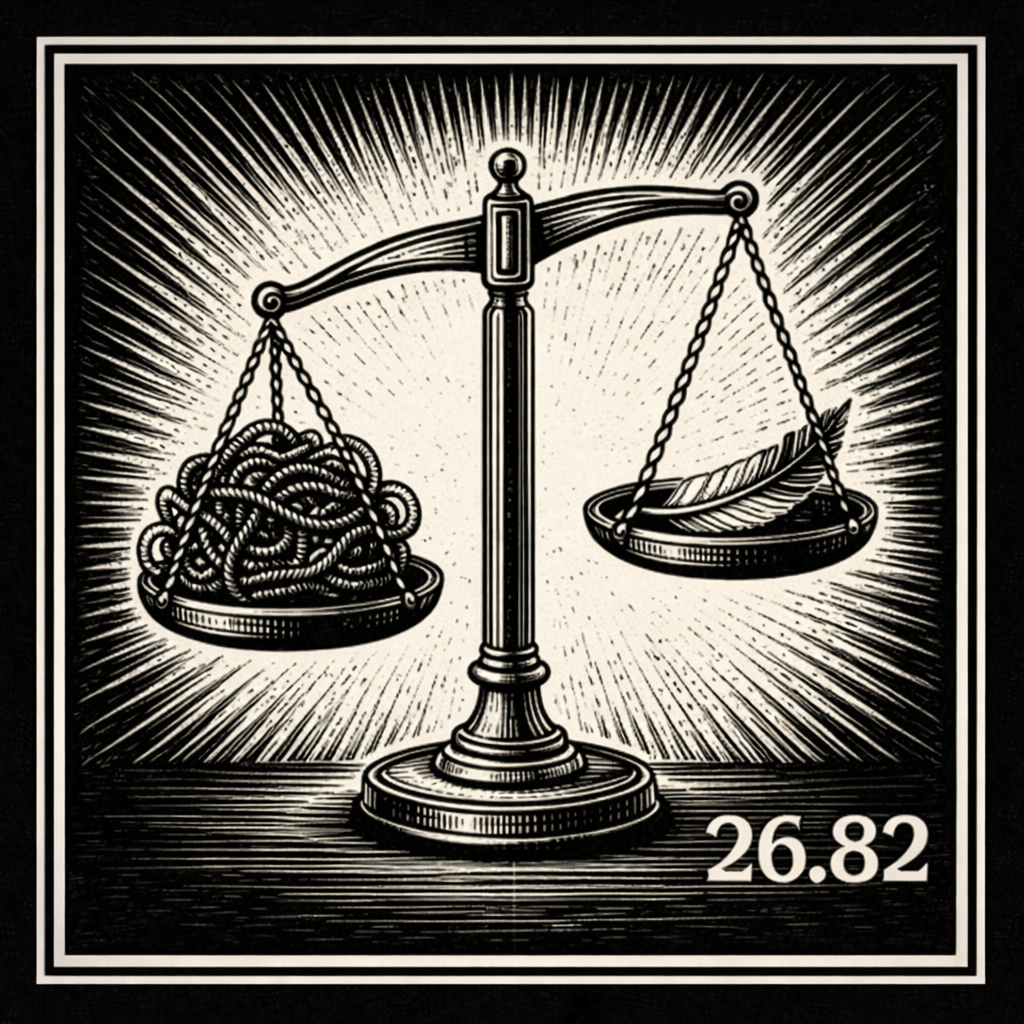
26.82 - Influence vs Control
Responsibility becomes distorted when influence is confused with control. This post examines how over-responsibility emerges, why it persists, and how boundaries restore clarity. By separating what is yours from what is not, effort becomes more effective, relationships become more stable, and energy is directed toward outcomes that can actually be shaped.
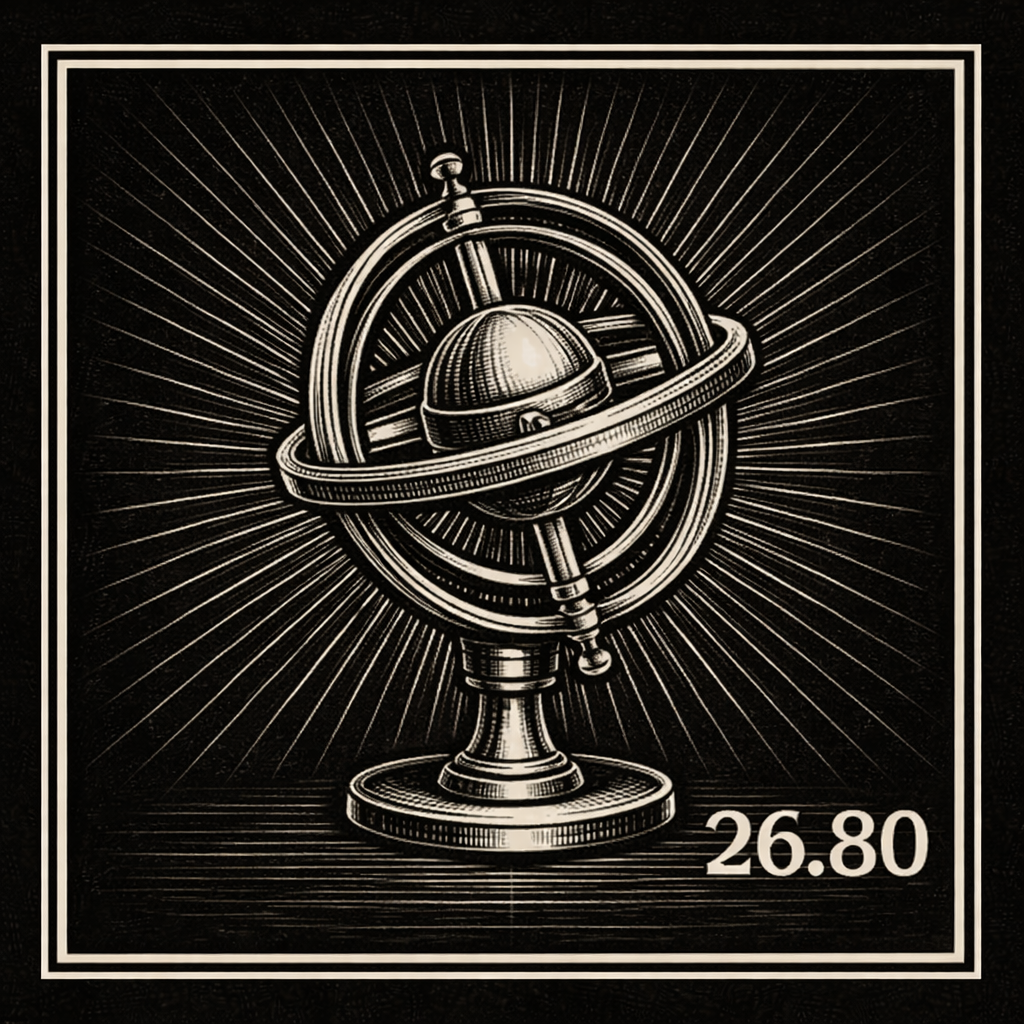
26.80 - Quiet Alignment
Stability does not announce itself through intensity. It emerges through alignment. When internal systems operate without friction, experience becomes quieter, not weaker. What appears uneventful is often highly functional. Calm, in this sense, reflects coherence across competing demands, where less energy is spent on correction and more is available for direction.
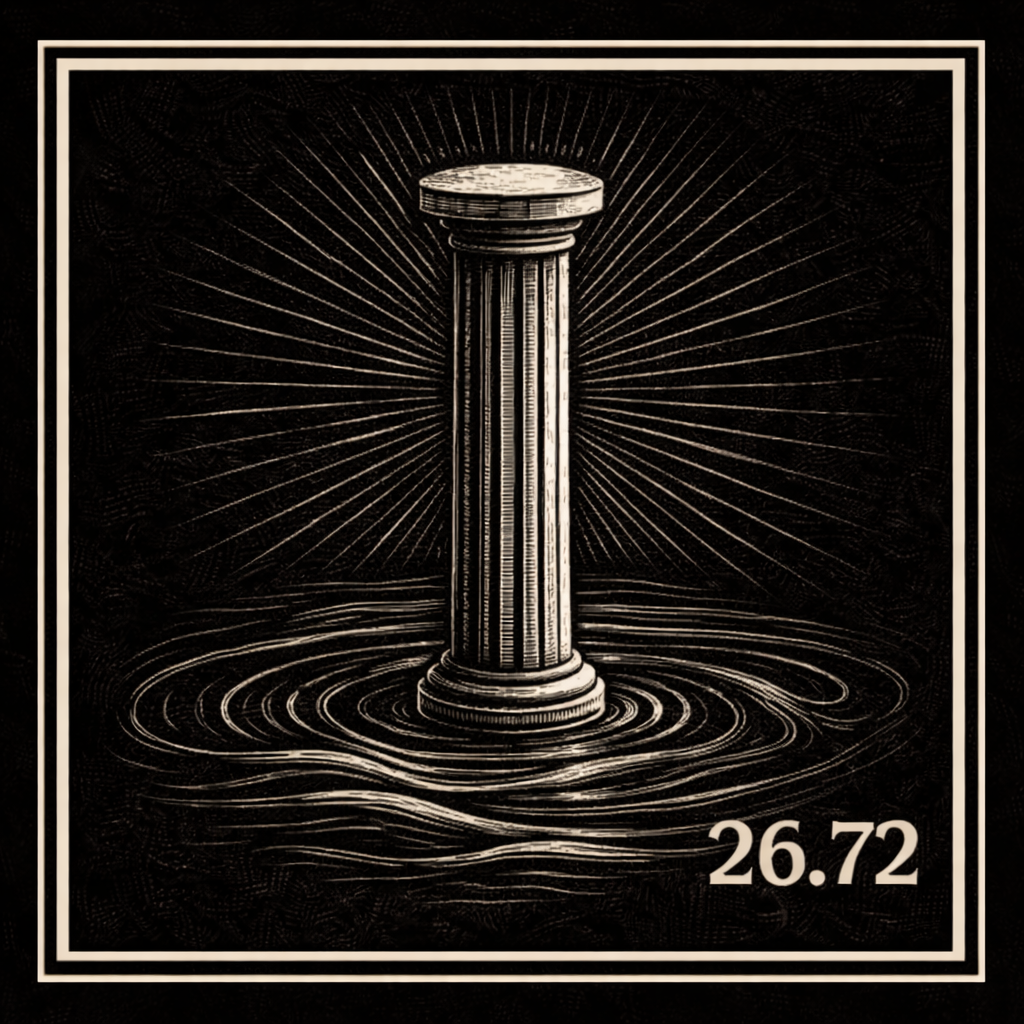
26.72 - Firm Without Harsh
Accountability is often confused with harshness. Yet real responsibility does not require emotional punishment. Calm accountability separates evaluation from self-criticism, allowing individuals to observe behavior clearly and make precise adjustments. When standards remain firm but the tone remains steady, learning accelerates and consistency becomes possible across time.
Unlock Deeper Understanding.
Elevate Your Perspective.
Join Lucivara and embark on a journey of insight, connection, and transformation. Sign up today to explore thought-provoking reflections, timeless wisdom, and practical ways to cultivate a more conscious and connected life.
Expand Your Mind – Gain deeper clarity on the Tenets of Lucivara.
Engage with Meaning – Access exclusive content designed to challenge and inspire.
Be Part of Something Bigger – Connect with a community of seekers and thinkers.
Your journey toward greater wisdom starts now.
🔹 Sign Up for Lucivara Today 🔹