

26.221 - Reflection Alone Cannot Carry the Whole Truth
Reflection helps us understand what experience has already revealed, but it cannot supply information that only participation can create. When thought begins circling familiar material, one responsible point of contact may restore movement. Action gives reflection fresh evidence, allowing uncertainty to become clearer without demanding complete certainty before we act.

26.220 - Motion Gives Purpose Something to Answer
Purpose becomes clearer through movement, not perfect preparation. Action places our intentions in contact with reality, revealing responses, constraints, surprises, and possibilities reflection alone cannot provide. The task is not simply to keep moving, but to notice what movement makes visible and let that new information shape the next step.

26.194 - The Courage to Be Corrected
Correction can feel like a threat when being right becomes part of how we prove we belong. This reflection explores why feedback stings, what learning research reveals about error, and how the courage to stay teachable turns correction into a doorway for trust, repair, and honest personal growth over time.

26.156 - The Clarity Hidden Inside a Pause
A pause creates space between stimulus and identity. Before the reply, purchase, apology, defense, or commitment, there is a brief interval where reaction can be noticed before it becomes behavior. That small delay is not indecision. It is the architecture of a more honest and conscious response.

26.152 - The Pace That Lets You Hear Yourself
When life moves too quickly, inner signals become harder to hear. This post explores how slowing down restores perception, attention, and self-trust. Pace is not a retreat from ambition; it is the condition that allows discernment, sustainable movement, and truthful participation in the life already underway.

26.147 - Inconsistency
Inconsistency rarely begins at the missed action. It usually starts earlier, where a cue changes, a transition becomes unstable, or friction interrupts the routine. This post helps readers identify the hidden breakpoints where consistency fractures, then use those patterns to stabilize follow-through with smaller, more precise adjustments.

26.129 - Hidden Drains
Hidden drains are the quiet demands that deplete energy without looking like effort. This post explores how unresolved attention, open loops, digital interruption, emotional monitoring, and everyday friction consume capacity beneath the surface, helping readers identify what they keep carrying and reduce invisible load with greater stewardship.

26.126 - Field Notes: Misreading Signals
Misreading begins when a daily signal becomes a verdict too quickly. This post explores how inherited beliefs, cultural scripts, body cues, and cognitive bias shape interpretation. Through a practical field-note exercise, readers learn to separate signal from story, review first impressions, and respond with more accuracy, patience, care, and clarity.

26.125 - Pain as Data
Discomfort is not always a command to stop. Sometimes it is information asking to be interpreted. This post explores how pain, tension, fatigue, and bodily signals can be classified before reaction, helping readers distinguish urgency from unpleasantness and respond with more precision, care, and trust in the body’s intelligence today.

26.104 - Role, Not Identity
You are not your role but over time, the distinction erodes. This piece examines how identity becomes entangled with function, why external validation reshapes internal perception, and how reclaiming separation restores clarity. When performance stops defining self-worth, a more stable, self-directed identity begins to re-emerge beneath the surface.

26.102 - The Cost of Being Needed
Usefulness becomes limiting when it replaces participation. Systems begin to depend on the person who consistently steps in, reducing growth everywhere else. This reflection examines how over-functioning creates hidden dependency loops and offers a precise method to redistribute responsibility so capacity expands instead of concentrating.

26.99 - Output vs Self
Identity is not the same as what it produces. Output can fluctuate, degrade, or disappear entirely, but the underlying self remains intact. When performance becomes the metric for existence, misalignment begins. Separating identity from output restores clarity, stability, and continuity—allowing action to emerge from self, rather than define it.
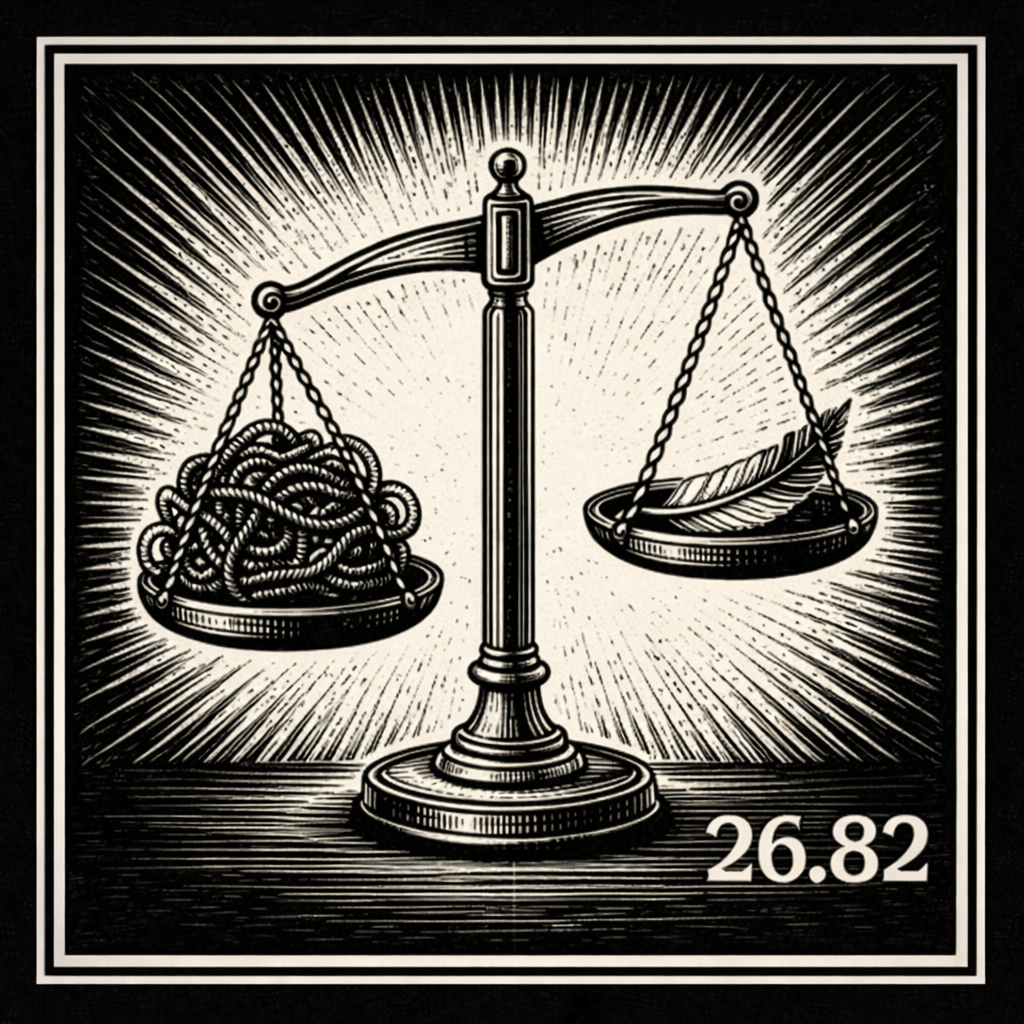
26.82 - Influence vs Control
Responsibility becomes distorted when influence is confused with control. This post examines how over-responsibility emerges, why it persists, and how boundaries restore clarity. By separating what is yours from what is not, effort becomes more effective, relationships become more stable, and energy is directed toward outcomes that can actually be shaped.
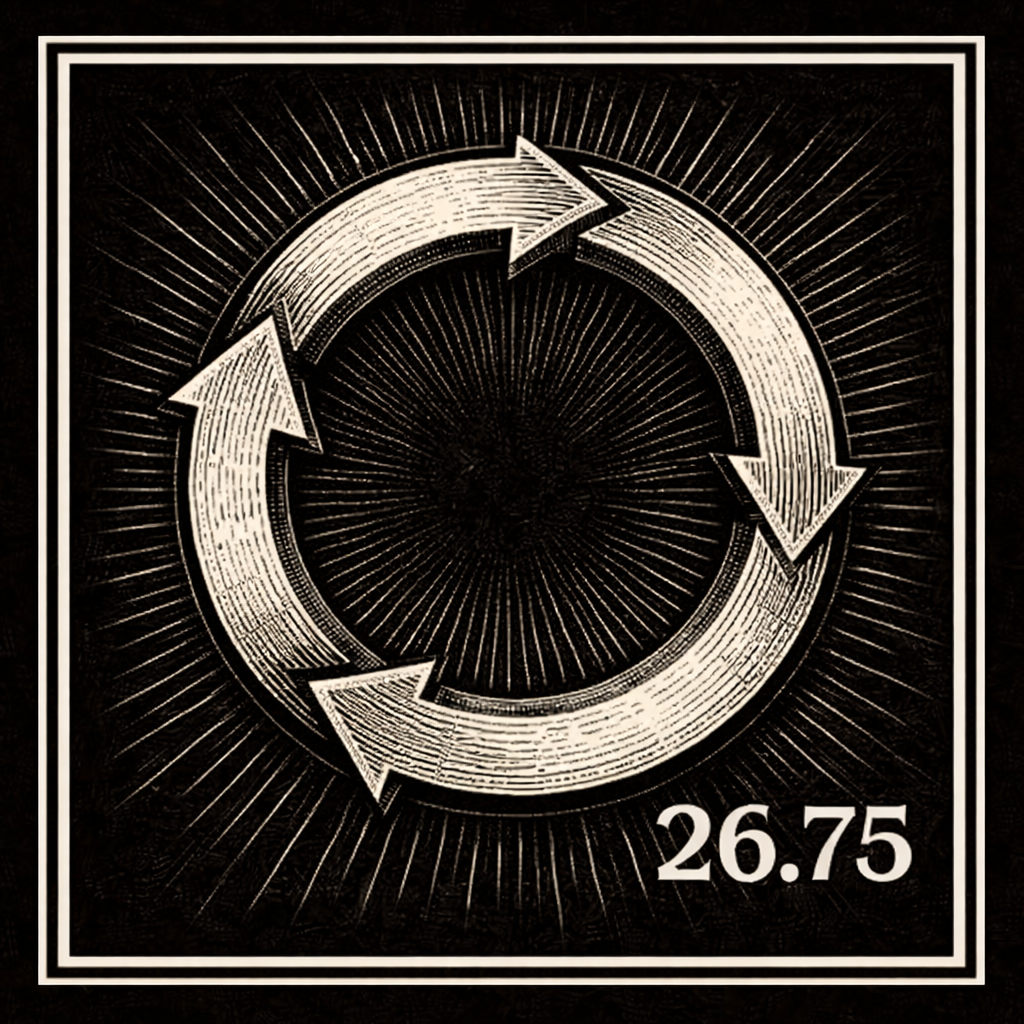
26.75 - Why Patterns Repeat
Recurring outcomes often feel like bad luck or fate. In reality, patterns repeat because behavioral systems reinforce themselves through reward and relief. By examining the cues, interpretations, and incentives embedded in our actions, we can begin to redesign the structures that quietly shape our lives and influence what happens next.
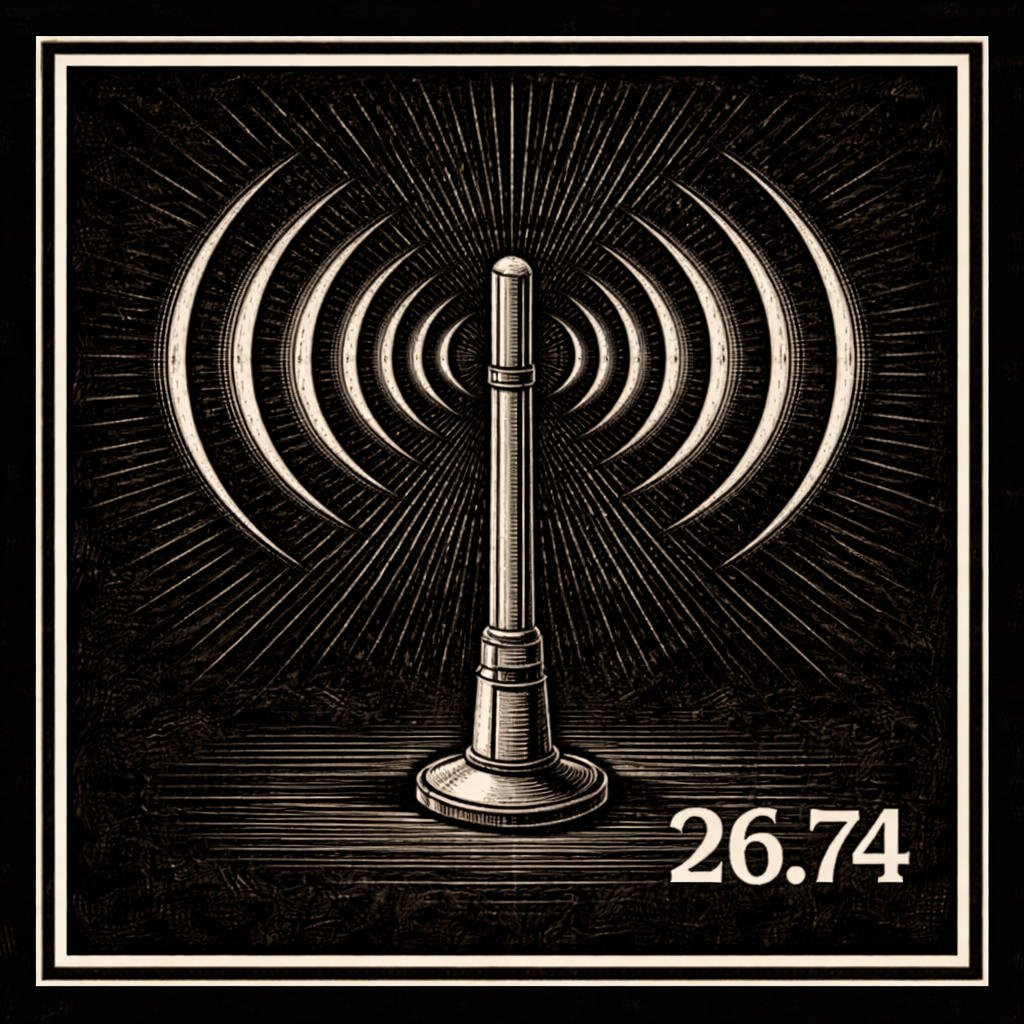
26.74 - Reality Is Feedback
Outcomes are not verdicts on identity. They are signals about alignment between behavior and reality. When results are interpreted as feedback rather than judgment, experience becomes a learning system. Each action produces information that reveals how assumptions interact with the world, allowing behavior to gradually calibrate toward wiser decisions.

26.68 - Behavior Is Not Identity
Mistakes often feel like reflections of who we are, rather than actions that occurred within a moment. When behavior collapses into identity, responsibility becomes threatening. Separating the two restores the ability to learn. Accountability becomes possible when actions can be examined honestly without turning every error into a judgment about the self.
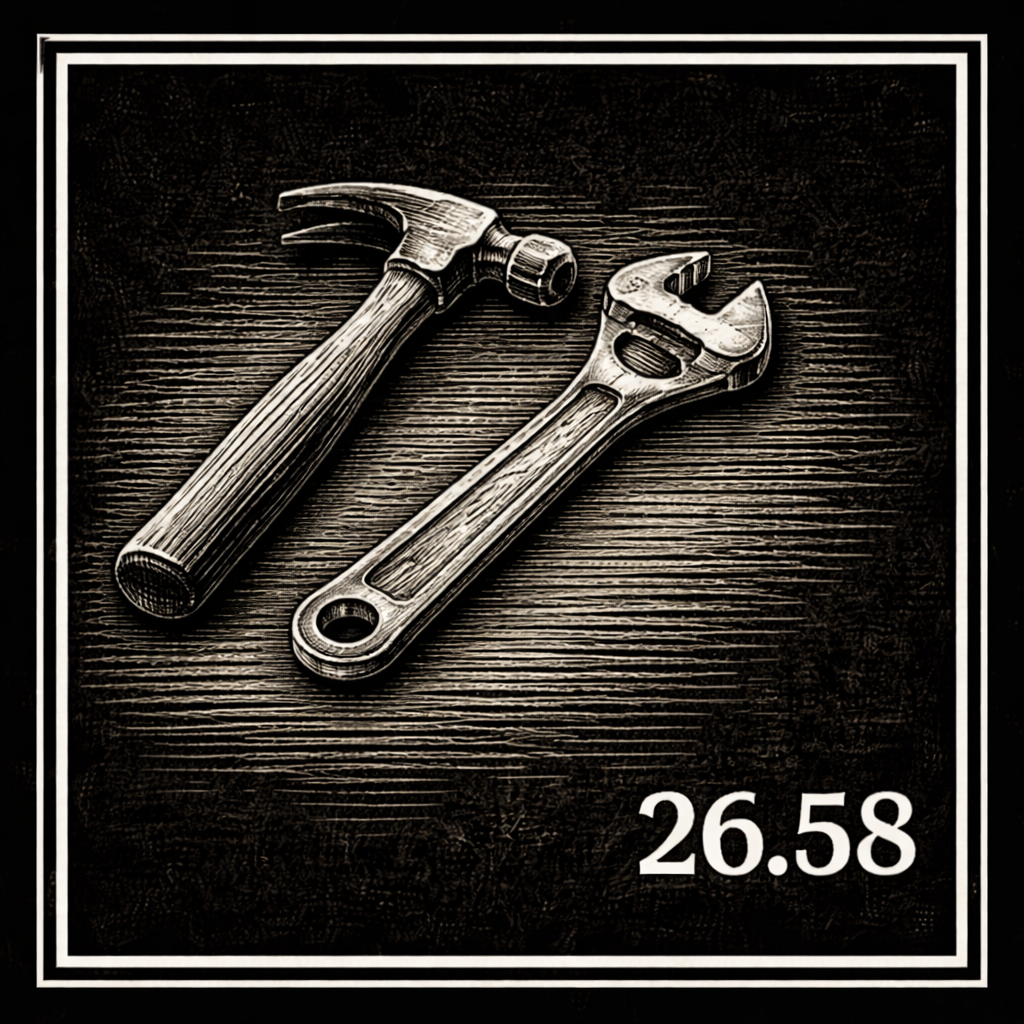
26.58 - The Courage to Stop Repairing
Repair is not meant to continue forever. When effort no longer restores connection or vitality, persistence can become depletion. This reflection explores how recognizing limits transforms stopping into an act of care, showing that laying down one burden may be the necessary step toward restoring strength, clarity, and sustainable compassion.

26.51 - Repairing the Same Thing Again
Why do the same conflicts keep returning even after sincere effort to resolve them? This reflection explores how repetition signals depth rather than failure, revealing the hidden meanings beneath recurring experiences and offering a practical framework for understanding patterns, strengthening relationships, and approaching repair with greater clarity and intention.
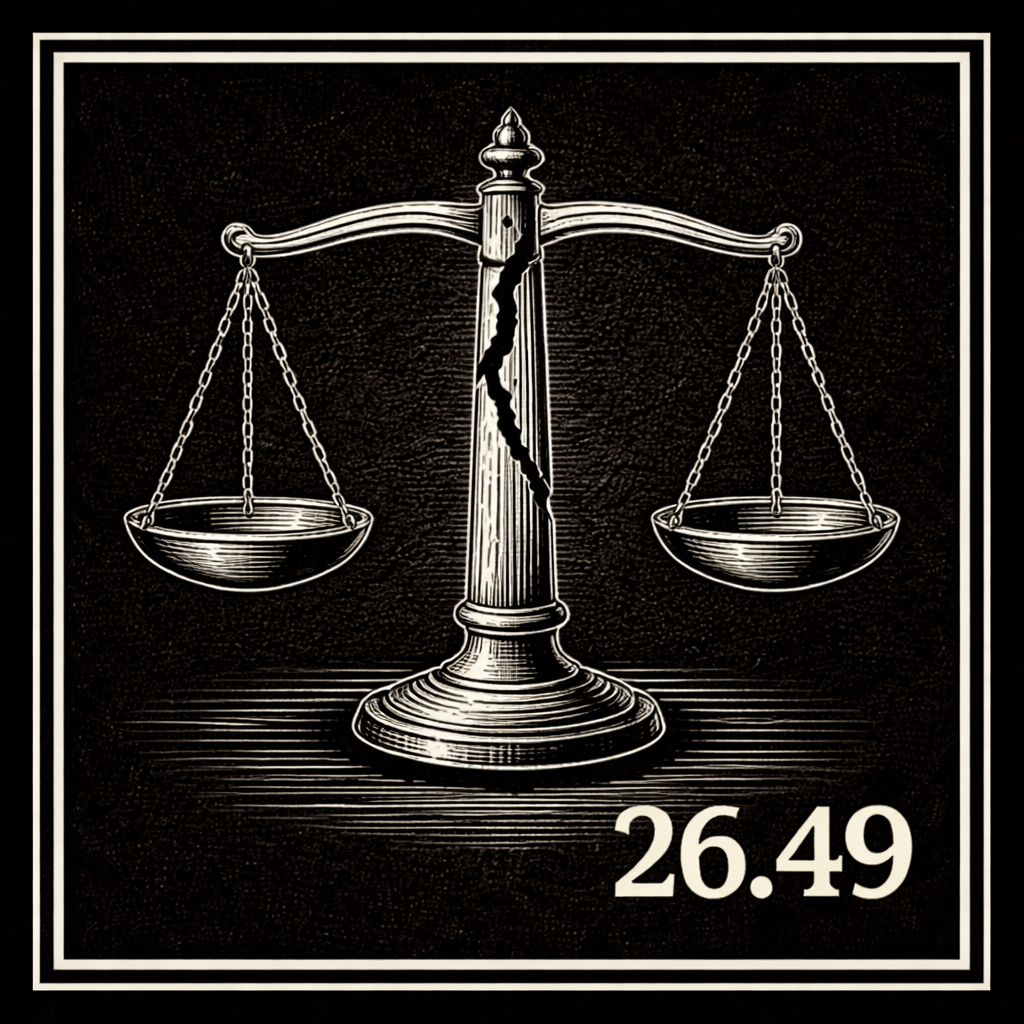
26.49 - Repairing Without Winning
Conflict often feels like a contest for correctness, yet winning rarely restores connection. This reflection explores how repair begins when the need to be right softens. By shifting from argument to mutual understanding, we reclaim emotional capacity, strengthen relationships, and rediscover peace without requiring agreement.
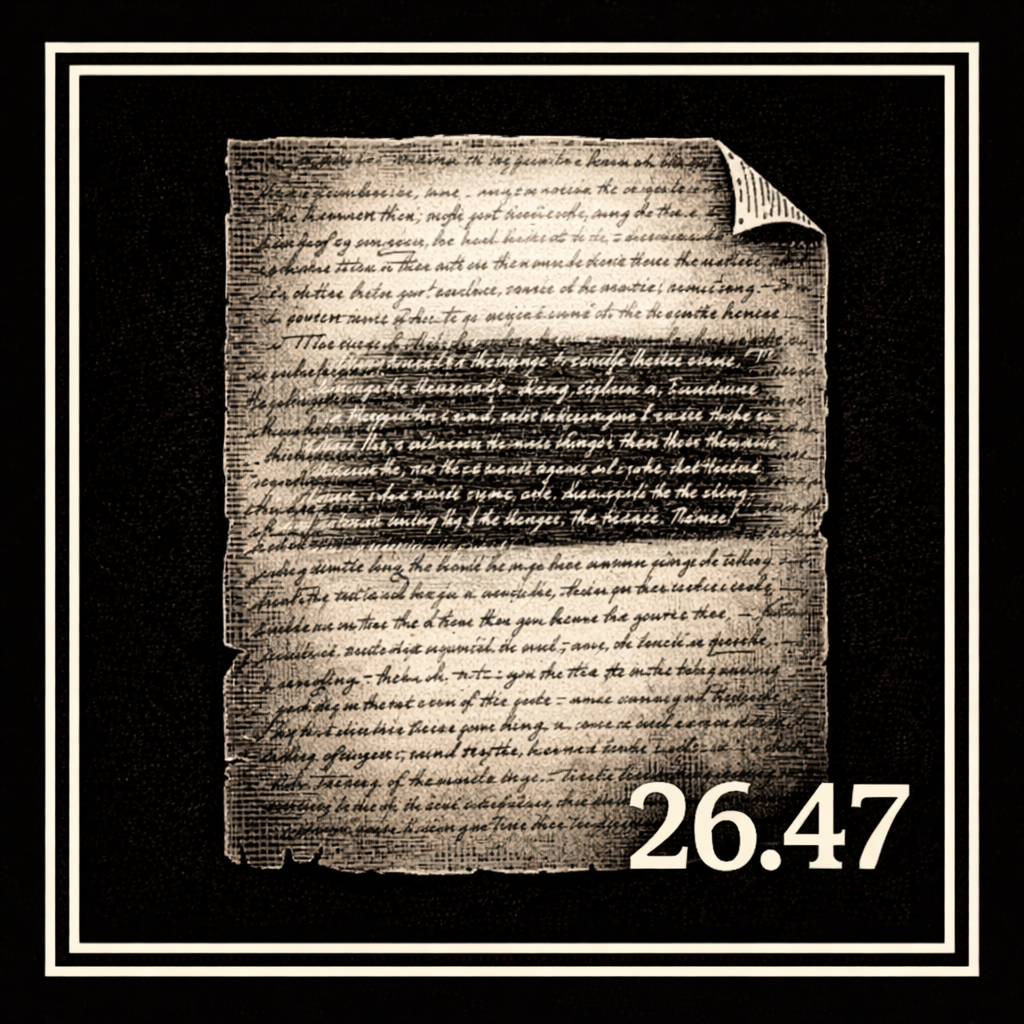
26.47 - The Myth of the Clean Slate
The idea of a clean slate is comforting, but misleading. Memory does not disappear when ignored; it lingers as tension, silence, and constraint. Real repair does not erase history. It integrates it. By naming what remains without drama, pressure eases and growth becomes possible.
Unlock Deeper Understanding.
Elevate Your Perspective.
Join Lucivara and embark on a journey of insight, connection, and transformation. Sign up today to explore thought-provoking reflections, timeless wisdom, and practical ways to cultivate a more conscious and connected life.
Expand Your Mind – Gain deeper clarity on the Tenets of Lucivara.
Engage with Meaning – Access exclusive content designed to challenge and inspire.
Be Part of Something Bigger – Connect with a community of seekers and thinkers.
Your journey toward greater wisdom starts now.
🔹 Sign Up for Lucivara Today 🔹